Showing posts with label Roberto Mucaro Borrero. Show all posts

11/21/2007

Nightwolf Radio Special on National Day of Mourning


UCTP Taino News – In recognition of the National Day of Mourning, “Nightwolf - the Most Dangerous Show on the Radio” will broadcast a 3 hour live special from 9am - 12 noon, Thursday, November 22, 2007.

Featuring the show’s host Jay Winter Nightwolf, a wide range of indigenous perspectives will be presented by special guests to the WPFW/Pacifica Radio studios in Washington DC and by telephone. At 10am (EST), one of the featured interviews will highlight recent controversy surrounding a recently uncovered archeological site in Puerto Rico. Discussing the issue and community concerns will be Roberto Mukaro Borrero, a representative of the United Confederation of Taino People.

Nightwolf is regularly broadcast each week on Pacifica's WPFW 89.3 FM Sunday evenings at 8:00 pm EST. The shows are webcast and listeners can tune in at http://www.wpfw.org/.

UCTPTN 11.21.2007


Photo: Jay Winter Nightwolf (yillah ©2004)

11/13/2007

Caguana Ceremonial Center


Sitting in the lush central mountain range of Puerto Rico (Borike), the ancestral home of the Boriken Taíno people, Caguana is the largest and most complex ceremonial site in the West Indies. Caguana Ceremonial Center consists of a large central plaza, a ceremonial dance area, ten rectangular earth-and-stone– lined ball courts and plazas and one circular plaza, as well as the remains of an oval-shaped structure and a sacred cemi mound. Ethno-historical accounts of early "explorers" noted that ceremonial sites like Caguana were places where highly important ceremonial ball games were held. Today, one can still see stone collars, elbow stones, and petroglyphs carved on perimeter stones. Caguana is today one of many sacred sites for the Taíno people.

Because of its rich archaeological significance, Caguana became a National Historic Landmark in 1993. However, this designation has not prevented vandalism and tourist devastation to the ceremonial center. Now, the Taíno are calling upon the Puerto Rico government and the U.S. National Park Service to "ensure that any governmental projects promoting tourism go hand in hand with protecting and safeguarding the integrity of local Taíno culture, sacred sites and the environment. "

Read the full report written by DeAnna Rivera with UCTP President R. Mucaro Borrero and Grandmother Naniki Reyes Ocasio at the Sacred Lands Film Project.

11/10/2007

Italians against Columbus Day

UCTP Taino News – In solidarity with American Indian nations, a group of Italian citizens have decided to actively support protests against the celebration of Columbus Day by establishing a petition against it the controversial holiday.

The petition, which was written in Cannara (Perugia) - Italy on October 9, 2007, will be presented to Italian municipalities, presidents of Italian regions, and to Italian American associations.

Mike Graham (Cherokee) of United Native America, Oglala Lakota Patriot Russell Means, and UCTP President Roberto Mukaro Borrero (Taino) have endorsed the effort.

The Italian petition against the celebration of Columbus Day can be found online at http://www.petitiononline.com/cd1ptoit/petition.html.

11/07/2007

Scholastic Highlights Taino Culture During Native American Heritage Month


UCTP Taino News – In recognition of Native American and Puerto Rican Heritage month, the Taino People and culture are featured in Scholastic’s online news magazine. Scholastic is the world's largest publisher and distributor of children's books and a leader in educational technology.

Announcements focusing on the article, entitled “Taino Sounds,” were also featured in the company’s print versions of Scholastic News for Kids.

The highlight on the Taino has the potential to reach millions of students and teachers around the world via the internet and the print sources. The article focuses on particular aspects of Taino world view, including relationships to the natural world and the music of famed Puerto Rican Taino cultural icon, Paseo Taino: Travesia Taina. Under the direction of Elba Anaca Lugo, Paseo Taino is one of the oldest continuing Taino presentation troupes on the island.

“The music, performing, and presentation style of Paseo Taino: Travesia Taina has influenced and given birth many if not all contemporary Taino cultural groups on and off the island whether they are aware of it or not” stated Roberto Mukaro Borrero a representative of the United Confederation of Taino People.

Speaking on Scholastic’s Taino focus, he continued noting “What is important about this focus is that it presents our people in a contemporary light and not as extinct, relics of the past.”

“Scholastic’s ‘Taino Sounds’ article is a positive example of a partnership that was based on consultation and mutual respect” Borrero also stated “As an indigenous community that extends throughout the Caribbean, these are the types of relationships that we are striving to cultivate and promote.”

Taino Sounds was recorded during Paseo Taino: Travesia Taina’s featured presentation at the American Museum of Natural History in New York, January 2007. The article will remain available at www.scholastic.com/news with its link at Scholastic’s “Special Reports.”
Photo: Elba Anaka Lugo and Pablito Haguey Rosario of Paseo Taino: Travesia Taina at the American Museum of Natural History, January 2007. (AMNH Photo/R. Mickens)

9/14/2007

UCTP President at the UN General Assembly


United Nations, NY (UCTP Taino News) -
UCTP representative Roberto Mukaro Borrero (Taino) was the only indigenous Caribbean representative present at the United Nations General Assembly’s adoption of the Declaration on the Rights of Indigenous Peoples on Thursday September 13, 2007.

UN Photo: Roberto Mukaro Borrero, second row center

4/23/2007

Indigenous Peoples’ Lands, Territories, Natural Resources: Livelihoods and Emerging Issues


Roberto Mucaro Borrero (Taino) at the United Nations, April 19
Photo: Miguel Ibanez, Habitat Pro Association


The briefing looked at the traditional lifestyles, practices, and struggles of indigenous peoples around the globe. H. E. Mr. Javier Loayza, Chargé d’affaires, Permanent Mission of Bolivia to the United Nations; Ms. Sonia Smallacombe, Social Affairs Officer, Secretariat of the Permanent Forum on Indigenous Issues; and Mr. Roberto Mucaro Borrero, Chairperson of the NGO Committee on the International Decade for the World’s Indigenous People discussed the needs, rights, and challenges of indigenous peoples in maintaining their traditional cultures, environmentally sound relationships with the land, and sustainable use of natural resources.

H.E. Mr. Javier Loayza initiated the discussion by emphatically noting, “We do not own the land, we belong to it.” He explained that this quote reflected the thinking, spirituality, and daily lifestyles of indigenous peoples. According to Mr. Loayza, the concept of privatized territory was absent from the philosophy of indigenous communities, who regard the land as a living space that provides resources. Mr. Loayza emphasized that it was vital to remember that vision when confronting the current crisis of climate change, which was rooted in the longstanding dominant economy of privatization that transformed the natural environment, irresponsibly exploited resources, and created a “socially unjust model” which “has rendered our world inhospitable.” He explained that indigenous peoples had been the victims of that unjust model since colonizers invaded and misappropriated their lands, and further stressed the polarization between the “haves” and “have nots” around the world. Mr. Loayza described the sociopolitical changes underway in Bolivia as a victory for indigenous peoples in the spirit of plural national justice. The Bolivian government was making efforts towards advancing the needs and equity of indigenous peoples and translating indigenous issues into tangible policies to help protect their environments, explained Mr. Loayza. He concluded that he hoped the cosmo-vision of the indigenous peoples would inspire the world to change their current unsustainable practices in the face of environmental degradation.

Ms. Sonia Smallacombe described the work underway for the upcoming Permanent Forum on Indigenous Issues. Its major themes of territories, lands, and natural resources include a number of related issues such as forests, desertification, sustainability, and biological diversity. According to Ms. Smallacombe, the long struggle of indigenous communities to gain recognition of their rights lied at the heart of the permanent forum; however, the draft Declaration of the Rights of Indigenous Peoples continued to remain under review and negotiation. She described the Permanent Forum as a unique international body that brought together indigenous peoples, governments, civil society, and United Nations agencies to make recommendations to ECOSOC. Indigenous leaders could offer their traditional knowledge and best practices. Ms. Smallacombe emphasized the importance of the direct participation of indigenous peoples in UN activities. She further noted the vital role that language played in keeping traditional knowledge alive, which was preserved by speech and oral traditions. The death of aborigine elders was equivalent to the burning down of a library, explained Ms. Smallacombe. She concluded by underscoring the threat of the climate change crisis in endangering the traditional lifestyles and homelands of indigenous peoples, particularly those in small Pacific Island states and the Caribbean where the water levels were rising and those in African regions blighted by desertification.

Mr. Borrero further highlighted the importance of language and communication in preserving the stock of traditional knowledge among indigenous communities throughout the world, but warned of the dangers in over-generalizing the circumstances of indigenous communities. He noted that they had different realities, but similar reactions and responses to their histories of maltreatment and victimization. According to Mr. Borrero, there were prominent linkages between the current situation of indigenous peoples and their past interactions with colonizers who took advantage of them. Speaking from a historical perspective, Mr. Borrero explained that the tragic history of the relationship between the colonizers and indigenous peoples extended far beyond the simple act of conquering and also involved unfulfilled promises and broken treaties. He cited the example of the double wampum created by Native American tribes in New York symbolizing their intention of living in harmony with the European settlers, which never came into fruition. Mr. Borrero further underscored the linkages between the development of dominant economic models and the climate change crisis along with the connections among social justice, implementation, and benefit sharing. In conclusion, Mr. Borrero urged all NGOs to support of the Declaration of the Rights of Indigenous Peoples and lobby for its passage.

During the question and answer period, Mr. Loayza noted that NGOs had a special duty advocate for the acceptance of the Declaration of the Rights of Indigenous Peoples in all levels of government. Mr. Borrero further stressed the importance of the Declaration by explaining that it was the product of 20 years of negotiation, which had recently been compromised by a few governments’ calls for revisions. He strongly urged NGOs to oppose the renegotiating of the text and support its timely adoption.

*************

This briefing held at United Nations headquarters on April 19 was organized by the Department of Public Information, and the Secretariat of the Permanent Forum on Indigenous Issues in cooperation with the NGO Committee on the UN International Decade of the World's Indigenous Peoples.

4/12/2007

Taino Nation on My Space…

UCTP Taino News - Recognizing the importance and growth of social networking sites, last year the UCTP established web pages on the famed “MySpace” network and the “Yahoo 360” network. “These services are an excellent opportunity to extend our educational and advocacy initiatives in ways that were unavailable to us before” stated Roberto Múcaro Borrero, President of the UCTP’s Office of International Relations and Regional Coordination. “Our Nation is on the move and engaging in this form of outreach is a natural progression related to other precedent-setting initiatives the UCTP has undertaken within the realm of the Information Society”.

MySpace is currently the world's “fifth most popular English-language website” offering an interactive, user-submitted network of friends, personal profiles, blogs, groups, photos, music and videos internationally. Yahoo! 360° is a similar social networking site run by Yahoo!

To review and link to the UCTP's MySpace page visit http://www.myspace.com/taino_nation . To link to the UCTP's Yahoo 360 page entitled "Taino Nation News Online" please send a request to uctp_ny@yahoo.com .


12/28/2006

INDIGENOUS MEDICINAL PLANTS OF THE AMERICAS: AN INTRODUCTION TO THE DEVELOPMENT, USAGE, AND LEGACY OF NATURAL RESOURCES BY AMERICAN INDIANS*

by Roberto Múcaro Borrero (Taíno)
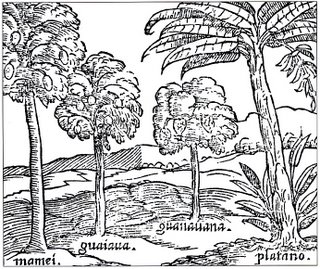

Early examples of the ancient Caribbean pharmacopoeia


In recent years, interest in phytotherapy or the use of traditional herbs, herbal remedies and medicinal plants has continued to gain momentum. According to analysts, this interest has been increasingly stimulated by the rising cost of prescription drugs and transnational bio-prospecting for the development of plant derived drugs (applicably termed “the new gold rush”). While the social and economic implications of this trend merit attention, increased financial investments and current research seem to indicate that medicinal plants will continue to play an important role as a “re-emerging health aid”.

As the use of medicinal plants and the practice of traditional medicine is the norm for significant portions of populations in many so-called “developing countries”, this paper will take a closer look at the development, usage and legacy of medicinal plants, and their particular relationship to Indigenous Peoples in the Americas. Further, it should be of no surprise to the reader that coinciding with the increased attention on medicinal plants, the “global community” has also been witness to an increased focus on the world’s Indigenous Peoples.

Indeed, the 1992 United Nations Convention on Biological Diversity (CBD) recognizes the “close and traditional dependence of many indigenous and local communities embodying traditional lifestyles on biological resources” and that governments “subject to national legislation, respect, preserve, and maintain knowledge, innovations and practices of indigenous and local communities embodying traditional lifestyles relevant for the conservation and sustainable use of biodiversity”. The CBD also recommends the “approval and involvement of the holders of such knowledge, innovations and practices” and encourages “the equitable sharing of the benefits arising from the utilization of such knowledge, innovations, and practices”.

As the United Nations is considered an international standard setting body, this recognition is an extremely important development as industrialized societies continue to exploit medicinal plants, developing drugs and chemotherapeutics not only from these plants but also from herbal remedies traditionally used by rural/local communities and Indigenous Peoples. Today, because of the ever-increasing cost of health care and public demand, there is a great risk that many medicinal plants have already become or face extinction and/or a loss of genetic diversity’.

As the patenting of life forms, and genetic research/engineering have also become increasingly relevant factors in this field, another international organization, the World Intellectual Property Organization (WIPO) has begun to research and analyze the implications of these developments under the intellectual property system via the headings “traditional knowledge and folklore”.

Medicine: A Concept or Product?

Using a wide range of disciplines and resources (archeology, ancient text, anthropology, linguistics, etc.), scientist have ‘confirmed’ that plants have been used as a source of medicine in virtually all cultures. The widespread use of traditional herbs and plants reveals the medicinal properties inherent in many natural products.

It is generally accepted that medicine is linked to health, and the World Health Organization (WHO) defines health as a “state of complete physical, mental, and social well being and not merely the absence of disease or infirmity”. As an indigenous person I would also include the idea of “spiritual well being” as the sum total of the various states of “being” identified by the WHO.

Traditionally, for many Indigenous Peoples the concept of medicine was and is still not as compartmentalized as generally practiced and promoted by Western society today. Indigenous communities throughout the world recognized the sacredness and all encompassing scope of the concept of medicine and this is historically demonstrated by the way of life of communities and individuals; especially with regard to interaction with and respect for the natural world. It is interesting to note that “Western” medical systems of today, which developed via the “man conquers nature” attitude now seem to promote a market driven philosophy of “specialized and prolonged treatment”.

In contrast, indigenous medicine was developed with the understanding that all things are interrelated and co-dependant and this worldview promoted the practice of “holistic prevention and cure”. This fundamental difference between Western philosophy and traditional indigenous worldview offers an important insight into not only why these traditional practices have remained even till today but also why they are now sought after by other sectors of the global community.

The Columbian Exchange

For quite a number of “developing” countries in the Americas, medicine based on local tradition is still a main stay of health care. Within this context, the development, use and legacy of medicinal plants and herbal remedies has an historic and fundamental relationship with “American Indians”. From at least the 15th century, the use of medicinal plants (and food crops) has been consistently documented in the Western Hemisphere, even as many of the cultures responsible for these innovations have disintegrated or in some cases disappeared.

It is estimated that Amerindians developed 60% of the world’s food crops and there are no food plants native to the Americas that were not first cultivated by Indigenous Peoples of the region. As my own Taíno ancestors, and their close relatives the socalled “Carib”, were the first peoples in the Western Hemisphere to be called “Indians”, it must also be acknowledged that many of the medicinal plants and food crops that are now staples in Europe, Africa and Asia, were first encountered in the 15th century Caribbean. The Caribbean’s tropical environment was a virtual “pharmacopoeia” of medicinal plants and herbal remedies and the use of these important resources were not only accessed by so-called “Shamans/Medicine Women or Men” but by most members of the community.

Many Caribbean indigenous plants now identified solely as food crops were also valued by my ancestors for their medicinal properties. That I have included food crops as medicinal plants again speaks to the overall concept of medicine that Indigenous Peoples throughout the Americas observed.

Further, while scholars debate on the effects of introduced foreign diseases, medicine, and religion on the Indigenous Peoples of the Western Hemisphere, we can be sure that pre-Euro-contact lifestyle was a healthier one and a place where diabetes, high blood pressure, asthma, lung cancer, and AIDS were not a part of the peoples’ consciousness.

Just a few of the food crops and medical plants that my ancestors and relatives throughout the hemisphere developed, used and contributed to the world community include: maisi (maize/corn); white potatoes; sweet potatoes; manioc (yuca/cassava); mani (peanuts), chili peppers; cashews; tomatoes; okra; squash (including pumpkin); yayama (pineapples); bija or achiote (Bixa orellan); papaya; avocado (aguacate); kidney beans; lima beans; black-eyed peas; wild rice; blueberries; strawberries; pecans; quinoa; maple syrup; vanilla; cacao (chocolate); mint; aloe; ginger; and sage.

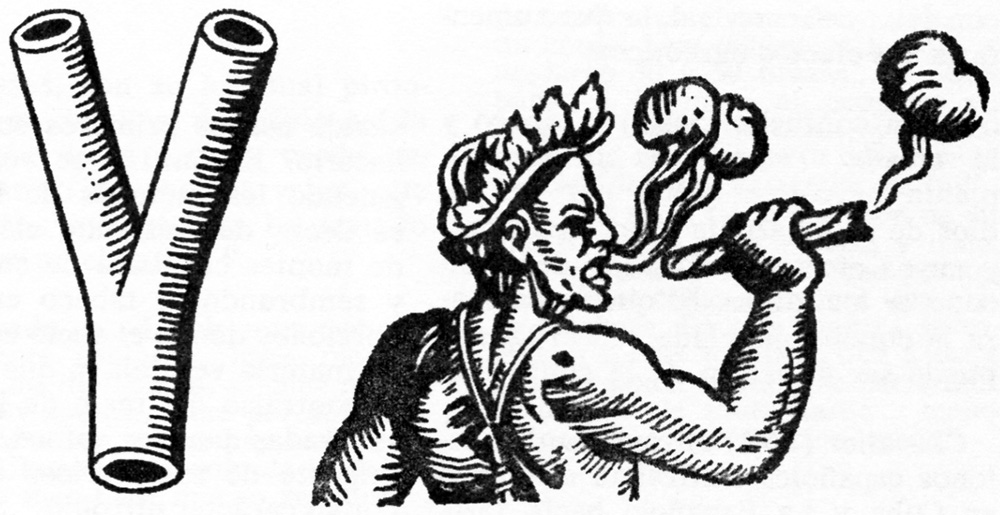
Indigenous Peoples of the Americas have also cultivated non-food crops such as cotton, sisal, indigo, basalms, latex (rubber), and chicle (chewing gum). Even some non-food crops that have a negative connotation today like tobacco and coca were used for spiritual and medicinal purposes. For example, tobacco was not only smoked but also used to cure aliments of the stomach, induce vomiting, and to treat snakebites, etc.
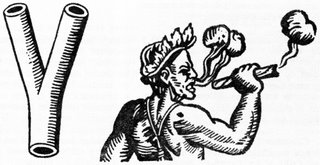

Early Woodcut of Caribbean Indigenous Tobacco Use. Tobacco is a Taino word.

Coca leaves have been used by South American Indigenous Peoples for thousands of years, yet they are now the center of the “Drug Wars” as a result of their exploitation by non-indigenous people. Some of the traditional medicinal use of the coca leaves (which were chewed or ingested as a tea) included relief of hunger and fatigue, altitude sickness, increased respiratory capacity, cerebral and muscle stimulant, as well as relief of nausea and pains of the stomach without upsetting digestion.

As for food crops, fruits, and plants which were and are still harvested in the Caribbean region, just a few examples of medicinal uses include the wild sage (Lantana camara) used in tea to treat colds and chills, soursop or guanabana (Annona muricata L.) used as a sedative for children, the jobo (hog plum or golden apple) used to stop diarrhea or dysentery, and the silk cotton tree or ceiba/kapok (Ceiba pentandra) used in baths to relieve fatigue and to counteract certain poisoning. Allspice (Pimenta dioica) was used not only to preserve meat and fish but also as a remedy to promote digestion, toothache relief, and the alleviation of muscle pain. Aromatic allspice berries have a long history in Caribbean “folk healing”.

In Jamaica, people drink hot allspice tea for colds, menstrual cramps and upset stomach. Some Costa Ricans use it to treat indigestion, flatulence and diabetes while it is considered a refreshing tonic in parts of Cuba. Guatemalans apply the crushed berries to bruises, joints and muscle pains. Culantro or Recao (Eryngium foetidum L., Apiaceae), not to be confused with its close relative cilantro (Coriandrum sativum L.), was use to treat fevers and chills, vomiting, diarrhea, and in Jamaica for colds and convulsions in children. The leaves and roots of culantro are boiled and the “tea” ingested to treat pneumonia, flu, diabetes, constipation, and malaria fever.

Many of these traditional indigenous practices continued to be observed today especially within the rural and urban populations of Caribbean society. As in earlier times, access to this traditional knowledge is not limited to “local specialist” sometimes called “Curandera/os” but to various members of the community.

Today, one of the most notable contemporary examples of the popular use of traditional medicinal practices in the Caribbean is the use and prominence of “Green Medicine” in Cuba. This practice has been a main stay in heath care for decades in this country and includes traditional indigenous plant and herbal remedies as well as alternative and holistic healing methods.

Another example of the prominence that traditional indigenous based medicine has attained in the Circum-Caribbean region is that in 1993, the Belizean government established the world’s first medicinal plant reserve. This 6,000-acre reserve, dedicated to the preservation of potential lifesaving herbs, is called the Terra Nova Medicinal Plant Reserve. Seedling plants rescued from rainforest areas in danger of destruction due to “development” are sent to Terra Nova for transplanting. The Belize Association of Traditional Healers runs this reserve.

As we move from the Caribbean islands on through the Americas, the importance of the tropical rainforest of South America in the discussion of medicinal plants and traditional healing practices must be acknowledged.

It is estimated that 90% of the rainforest flora used by Amazonian Indians as medicines have still not been examined by modern science. This situation represents a horrible irony as these unique ecosystems, which have been developed over millennia with the direct influence of Indigenous Peoples, are now disappearing at an alarming rate and the potentially catastrophic implications of this trend on the rest world are staggering. Further, this scenario is true not only of rainforest in the Americas but around the entire world. Of the few rainforest plants that have been studied by modern medicine, treatments have already been found for childhood leukemia, breast cancer, high blood pressure, asthma, and scores of other illnesses.

Indeed, 70% of the plant species identified by the US National Cancer Institute as holding anti-cancer properties come from the rain forest and an estimated 37% of all medicines prescribed in the U.S. have active ingredients derived from rainforest flora.

As we move into North America, an incredible amount of plant-derived medications have been identified in Mexico alone. Before contact with Europeans, the Maya and Aztec peoples kept many written records of the uses of medicinal plants in books that are now know as Codices. In the 16th Century many of these ancient text books of knowledge were literally burned by zealous Christian clerics who linked traditional indigenous knowledge to alleged “idolatry” and other so-called “pagan practices”.

The potential loss of that wealth of information is incomprehensible, and represents another one of the countless tragedies, which occurred as a result of these early forms of religious intolerance, xenophobia and racism promoted by the early Europeans colonist. Perhaps, as Walter R. Echo-Hawk contends “it is difficult for a culture with an inherent fear of ‘wilderness’ and a fundamental belief in the ‘religious domination’ of humans over animals to envision that certain aspects of nature can be sacred.”

Among the diverse communities of Indigenous Peoples who lived throughout the lands that are known today as the United States and Canada, the development, usage and contributions of medicinal plants are similarly as substantial and significant.

Just a few medicinal plants used by “Native Americans” included yarrow (for headaches), echinacea, golden seal, wild sarsaparilla (for blood, and sores), mugwort (dysentery), wormwood (sprains), bearberry (headaches), wild ginger (indigestion), common milkweed (diseases of women), and prairie sage (convulsions, hemorrhage, and tonic). American Indians were even using the dandelion long before the discovery of America for a wide variety of ailments. The plant was a sort of panacea (cure for everything) and recent scientific evidence exists to substantiate these uses.

Native Americans also used bearberry, or kinnikinnick as they called it, in their ceremonial pipe in place of tobacco. The Arikaras cultivated sacred tobacco and mixed it with dried bearberry leaves and the dried inner bark of red dogwood. Some Native American tribes even mixed tobacco with bearberry to make a milder smoke. The use of tobacco and the smoking of the sacred pipe throughout the Americas cannot be seen in isolation from the use of other medicinal herbs like sage, cedar, black berry, and so many others, which were at times either chewed, brewed in teas or used as poultices.

A Matter of Respect

Like the sacred pipe, and even the ceremonial use of cigars, socalled “hallucinogens” have been part of the health and spiritual well-being of indigenous communities throughout the Americas for thousands of years. Even today, the sacramental use of sacred medicine plants like ayahuasca, peyote (Lophophora williamsii), cohoba/yopo (Piptadenia peregrina/Anadenanthera peregrina), certain mushrooms and others are still well respected by those Indigenous Peoples who interact with these “holistic purgatives” on a regular basis. However, misunderstanding, abuse and exploitation of these sacred plants by non-indigenous people highlight other fundamental differences between Western and indigenous concepts of traditional medicine.

Indeed, it is important to again acknowledge the all-encompassing/holistic concept of traditional medicine for Indigenous Peoples and link this to the ideal of spiritual health as a primary goal for the community. With this in mind, Indigenous Peoples in the Americas have revered and used natural “hallucinogens” for their healing, cleansing and transformative properties “since time beginning”.

While modern science is just beginning to recognize, explore and even “validate” some of these traditional views, through the centuries writers have continually commented on the advanced medical systems of many South and North American Indigenous Peoples. Some writers have even acknowledged that indigenous medical traditions in the Americas were actually more advanced than those being practiced in Europe at the time of the Conquest.

In fact, while Europeans were still “bleeding” people to treat aliments, the so-called “red savages” of the Americas were in comparison leading much healthier lives and even performing complex medical procedures like brain operations, c-sections, setting bones, and using anesthetics etc. All of these traditional medical procedures were used in conjunction with medicinal plants, other natural resources and socio-religious ceremonies, which were and still are respected and considered sacred by many Indigenous Peoples.

To emphasize the similarity of Indigenous Peoples philosophy with regard to the sacred in all these processes, I will return my focus to the Caribbean where the Taíno Indian descendants in rural areas still honor tobacco as a sacred herb. Even before other herbs are picked for special teas or “un cocimiento”, tobacco seeds are used as an offering to the medicinal plants.

As one can see the popular phrase, “you are what you eat” was something my ancestors and their relatives throughout the Hemisphere were very familiar with and this is an ideal that is today worthy of attention and respect. As my community and other communities around the world are falling victim to diseases such as diabetes, obesity, high bold pressure, high cholesterol etc. as well as being enticed, coerced or unknowingly introduced to genetically modified foods, traditional knowledge is not only worthy of attention but it is a literally a matter of life and death.

But as with all aspects of life, the use of medicinal plants is ultimately a matter of respect for as the Taíno Grandmothers say the “plants know and can help you or hurt you, depending on how you approach them”.

*This article was published by the International Center for Cultural Studies and presented at the First International Conference & Gathering of Elders held 4-9 February 2003, in Mumbai, India.

11/28/2006

Human Rights For Indigenous Peoples Not Supported by States

UCTP News - Today at the United Nations a non-action motion resolution put forth by African States, seeking to block the adoption of the Declaration on the Rights of Indigenous Peoples was voted upon and approved. According to preliminary reports a majority of Nation States, 82 voted in favor of the resolution proposed by the African Group with 67 States voting not in favor and 25 Nation States abstaining.

While fierce opposition to the Declaration was openly declared by New Zealand, Canada, Australia, and the United States, around the world Indigenous Peoples were shocked and outraged by the action of African States, most of whom had chosen not to participate throughout this standard-setting process.

"Considering that we have entered the Second UN International Decade of the World's Indigenous Peoples, an initiative based on the theme ‘action with dignity’, the hijacking of the Declaration is an utter disgrace.” stated Roberto Mucaro Borrero (Taino), Chairman of the NGO Committee on the United Nations International Decade of the World's Indigenous Peoples.

The Declaration on the Rights of Indigenous Peoples, which represents more than 20 years of work within the UN, was acknowledged to constitute the minimum standards for their survival, dignity and well-being.

Grand Chief Ed John, of the Assembly of First Nations, stated “Today is a very sad day for the United Nations and a very serious setback for the integrity of the newly formed Human Rights Council who urged the General Assembly to formally adopt this historic document. It now appears that the most likely outcome will be that the United Nations never formally adopts the Declaration. This is a remarkable and bizarre development.”

Adopted in June of this year, the Declaration was considered a substantial achievement of the Human Rights Council.

In a statement issued by the Indigenous Peoples Caucus at the United Nations, the group clearly noted that "these actions are a politicization of human rights that show complete disregard for the ongoing human rights abuses suffered by Indigenous Peoples. This betrayal and injustice severely impacts 370 million Indigenous people in all regions of the world, who are among the most marginalized and vulnerable."

11/30/2005

UN Recognizes Unique Situation of Caribbean Indigenous Peoples in Official Report

United Nations, NY (UCTP Taino News) – One year ago, back in December 2004, the United Nations General Assembly adopted Resolution 59/174 establishing the Second International Decade of the World’s Indigenous Peoples. Although it may not be common knowledge, as a result of this resolution’s adoption, the Second Decade officially commenced on January 1st 2005. This resolution also requested that UN Secretary General Kofi Annan submit a report on a Comprehensive Program of Action for the Second International Decade to the sixtieth session of the General Assembly. The Program of Action was discussed and adopted by the General Assembly on November 21st 2005.

Highlighting the importance of participation within the international system, the program of action was developed based upon comments received from the UN system, governments, indigenous peoples' and civil society organizations. Twenty-two indigenous organizations provided input for the program of action. Among these submissions, the United Confederation of Taino People (UCTP) was the only entity representing Caribbean Indigenous Peoples to submit a formal proposal to be considered within this process. As a result of UCTP participation, the efforts of the Indigenous Peoples’ Caucus of the Greater Caribbean was also recognized within the official report. Based on consultations among regional representatives, the Indigenous Peoples Caucus of the Greater Caribbean submitted various interventions during the fourth session of the Permanent Forum on Indigenous Issues held in May 2005. The Caucus will reconvene at the next session to be held in May 2006.

UCTP President Roberto Mucaro Borrero stated “our participation within this process should make it clear that our people will not remain silent while governments, academics and others determine what they believe is in our best interest without our input or consent. All Caribbean governments and state-sponsored institutions need to not only respect our regional consultations and aspirations but they need to actively look for ways to work together with us in meaningful partnership as we are the First Nations of the region.”

The plan of action for the Second International Decade will rely on five key objectives which cut across the various areas of the main goal for the Decade established by the General Assembly, namely strengthening international cooperation for the solution of problems faced by indigenous people in the areas of culture, education, health, human rights, the environment and social and economic development. Those objectives also cut across the means set by the General Assembly for the achievement of the goals, namely “action-oriented programmes and specific projects, increased technical assistance and relevant standard-setting activities.”

Within the plan of action, a specific reference regarding Caribbean Indigenous Peoples can be found under Section 6 “Social and Economic Development”, item (b) Regional level, number 86. The recommendation suggests that “representatives of Caribbean indigenous peoples should be included in region-specific consultations and conferences in Latin America and the Caribbean, and on steering committees for planning and implementing the programme of activities for the Second International Decade. Serious consideration should also be given to organizing a special regional consultative session focusing on the unique situation of Caribbean indigenous peoples, which would take place in the Caribbean, hosted by a Member State and a local indigenous community.”

“This recommendation derives directly from the UCTP submission, which was based on consultations with regional representatives” stated Borrero. “This is a reference that community representatives can now use to lobby their local and national governments.”

The plan of action is available for review at the website of the Permanent Forum on Indigenous Issues in various languages.

12/10/2004

UCTP Reps visit Boriken

Puerto Rico (UCTP Taino News) - UCTP Representatives Roger Atihuibancex Hernandez and Roberto Mucaro Borrero visited Boriken (Puerto Rico) recently as part of ongoing UCTP consultations with Taino community members on the island. They conducted video interviews with community leaders as well as participated in ceremony with family representatives from throughout the island attending the National Indigenous Festival in Jayuya.

Hernandez and Borrero also visited the hospital to meet with our respected Elder Manuel Galagarza. The elder who is a founding council member of the Consejo General de Tainos Borincanos has been ill. A recent request for prayers for his well being was issued via the UCTP communications netowrks. The two UCTP reps shared the wishes sent to him from indigenous peoples from around the world. Although in he was in critical condition, receiving these messages along with the prayers and visits from immediate family and local community members have lifted his spirit, Galagarza is now resting at home.

Local Taino leaders stress that Elder Manuel is still in a very weak condition and in need of community prayers and good thoughts. It has been he wish to spend time as much time as he can in the mountains at the Caney Quinto Mundo and preparations are being made to facilitate this as soon as possible.

For more information on how you can help this elder, contact Naniki Reyes Ocasio at
caney@prtc.net .

10/09/2004

As Columbus Day Draws Near...

Taino'ti Guaitiao (Greetings Relatives):

On behalf of the United Confederation of Taino People (UCTP), it is my hope that at the time you receive this message you are in good health and spirit.

I am writing to remind you that as we draw closer to Columbus Day, there will be various activities happening to protest the Columbus Day "holiday" and we hope that you will consider supporting these or other events in your area.

If you are on the West Coast, please consider participating in the 14th annual Columbus Day Protest in Washington State, which will be held on October 9th at noon at the Peace Arch Park in Blaine, WA. The Peace Arch is located on the border between Canada & and the U.S. Look for UCTP representatives, the Garcia Family who will be attending, speaking and distributing informative materials. For more information on this gathering contact Evelyn Dye-Garcia at edyega6722@aol.com.

On Tuesday October 12th, our UCTP representative in California, John Huacan Vidal will be at the Mission at San Juan Capistrano, joining other Native Peoples and supporters to protest the colonization of Indigenous Peoples, the terrorism of the invaders, and especially the celebration of Columbus Day. The Mission is located 2 1/2 blocks west of Interstate 5 on Ortega Highway. For more information on how you can be a part of the Columbus Day Protest in California, please contact Huacan at pvidal_ny@yahoo.com.

If you are on the East Coast, please consider joining UCTP representatives at a Columbus Day Awareness Gathering at the Lancaster Square, in Lancaster, Pennsylvania, which will be October 11th from 4pm – 7pm. For more information on this gathering contact Tristan at 717-393-2634 or by email tristan_egolf@yahoo.com. If you would like to get more information about the Taino Delegation attending the PA gathering from the New York area and how you possibly participate in solidarity, please call Roberto Mucaro Borrero at 1(917)334-5658.

As always, we thank you all in advance for your support and please inform us if you are participating or organizing any other anti-Columbus Day activities etc. as we would like to publish this information in our hard copy News Journal "La Voz del Pueblo Taino" and the Taino News List.

Peace and Blessings,
Roberto Mucaro Borrero,
President,
UCTP – U.S. Regional Coordinating Office
http://www.uctp.org/

4/01/2004

Appropriate Use of Sacred Tobacco

Taino'ti Guaitiao (Greetings Relatives):

Check out the downloadable posters for Appropriate Use of Sacred Tobacco at http://www.ncidc.org/tupe/downloads.htm.

Oma'bahari (With respect),
Roberto Mucaro Borrero,
President, UCTP-U.S. Regional Coordinating Office
PO Box 4515, NY, NY 10163
http://www.uctp.org/