Showing posts with label Caribbean Indigenous Peoples. Show all posts

8/10/2010

Taíno People Featured at United Nations Indigenous Day

Secretary-General Ban Ki-moon addresses UN Headquarters' event in observance of the International Day of the World's Indigenous Peoples. At right is Roberto Múkaro Agueibana Borrero, Master of Ceremonies for the event.
(UN Photo/Evan Schneider)

UNITED NATIONS (UCTP Taíno News) - The United Nations celebrated the International Day of the World's Indigenous Peoples on August 9, reaffirming indigenous rights and presenting several short films produced by indigenous filmmakers. Caribbean Indigenous Peoples, the Taíno in particular, were a featured part of the event commemorated at UN Headquarters.

The program was called to order with the sounding of the guamo (conch shell horn) by Roberto Múkaro Agueibana Borrero (Taíno) who served as the program’s Master of Ceremonies.

A welcoming song by Native American singer Kevin Tarrant and opening statements by UN dignitaries including UN Secretary-General Ban Ki-moon were presented. The participation of the UN Secretary-General highlighted the event’s high-level profile.

Four short films were presented during the event including "Taíno Indians: Counted out of Existence" by Alex Zacarias (Taíno). Zacarias is an Emmy-award winning documentary film maker whose family comes from Bieke (Vieques). His film deals with the Taíno People's struggle for recognition in Borikén (Puerto Rico).

“Film is a great way of communicating people's stories” stated Zacarias.

Sylvia Kaonamahakuio Marrero, a Borikén Taíno who attended the program agreed.

“It was an honor to be part of this important event and share with others; not only our Taíno people but also with other Indigenous Peoples” said Marrero. “The program was very educational.”

UCTPTN 08.10.2010

4/20/2010

UN Indigenous Forum Opens in New York

Damon Corrie, Mildred Karaira Gandia and Pamela Kraft of the Tribal Link Foundation at the United Nations in New York (Tribal Link Photo)

United Nations, NY (UCTP Taino News) - The 9th Session of the United Nations Permanent Forum on Indigenous Issues began yesterday with Secretary-General Ban Ki-moon calling on Member States to promote development while respecting the values and traditions of Indigenous Peoples.

"The loss of irreplaceable cultural practices and means of artistic expression makes us all poorer, wherever our roots may lie," Mr. Ban told the Permanent Forum on Indigenous Issues in New York. This year's theme at the forum is "Development with Culture and Identity."

In a surprise proclamation, the government of New Zealand announced that it has decided to reverse its 2007 decision and support the UN Declaration on the Rights of the Indigenous Peoples. New Zealand was one of four countries - the others being Australia, Canada and the United States - that voted against the Declaration. Australia reversed its decision last year.

The Declaration outlines the rights of the world's estimated 370 million indigenous people and outlaws discrimination against them.

Approximately 2000 participants are expected to take part in the Forum over the next two-weeks, including indigenous representatives, Member States, UN agencies, academic institutions, and civil society groups. Among the many indigenous delegates are Mildred Karaira Gandia a representative for the United Confederation of Taino People and Damon Gerard Corrie of the Eagle Clan Arawaks of Barbados and Guyana.

"We are here to advocate for Caribbean Indigenous Peoples" stated Gandia. "Our communities are often ignored in the larger discussions".

Both Gandia and Corrie are taking part in a special training program organized by the Tribal Link Foundation and the Secretariat of the Permanent Forum on Indigenous Issues.

Indigenous peoples are estimated to make up five per cent of the world's population, but some 33 per cent of the world's poor, according to State of the World's Indigenous Peoples, released in January and the first UN report of its kind.

UCTPTN 04.20.2010

4/17/2009

Indigenous Leaders to Provide Plan of Action to 5 th Summit of the Americas

Panama City, Panama – Indigenous leaders from across the Americas met April 14 - 15, 2009 in Panama City, Panama to take part in the 3rd Indigenous Leaders Summit of the Americas (3rd ILSA). The meeting provided an opportunity for Indigenous leaders to conduct discussions on issues related to the work of the Organization of American States (OAS) and, particularly, the work to be conducted during the 5 th Summit of the Americas to take place in Trinidad and Tobago, April 1719, 2009. The Native Women’s Association of Canada (NWAC) and the Assembly of First Nations (AFN) cohosted the event with the assistance of the OAS and various Indigenous organizations throughout the Americas.

During the meeting a Declaration and a Plan of Action were developed to promote the aspirations of Indigenous Peoples and to outline actions necessary to accomplish these goals. As noted by NWAC President Beverley Jacobs, “The [3 rd ILSA] Plan of Action provides achievable actions for states to undertake in order to ensure that Indigenous Peoples’ rights are implemented in their respective countries. The goal of ensuring that our human rights are respected and protected can only be achieved if nation states commit to take action.”

The Plan of Action outlines key activities for states to ensure the implementation of Indigenous rights related to six areas to be deliberated during the 5 th Summit of the Americas. A delegation of 10 Indigenous leaders will attend the 5 th Summit of the Americas, including NWAC President Jacobs and, on behalf of the AFN, Grand Chief Edward John. The delegation will meet with OAS State Ministers and will bring forward the 3 rd ILSA Declaration and Plan of Action at a meeting on April 17 th , 2009 leading into the 5 th Summit of the Americas. “The Plan of Action is the key component of our message to the State Ministers of the OAS and it is my hope that these leaders will take our recommendations back to their respective states and promote their implementation,” said Grand Chief Edward John, “Implementation of our human rights is one crucial step toward alleviating the human rights violations that we face.”

The ILSA take place every four years. Other items discussed during the two days included: the full implementation of the United Nations Declaration on the Rights of Indigenous Peoples, environment and resource management, intellectual property, culture and heritage, and sustainable human development, economic empowerment and trade.

The Native Women’s Association of Canada is an aggregate of 13 native women’s organizations and is the national voice of Aboriginal women in Canada. The Assembly of First Nations is the national organization representing First Nations in Canada.

4/20/2008

Caribbean Indigenous Peoples at the United Nations


UCTP Taino News (United Nations) - The Seventh Session of the Permanent Forum on Indigenous Issues (UNPFII) will take place at United Nations Headquarters in New York from 21 April to 2 May 2008. The special theme will be "Climate change, bio-cultural diversity and livelihoods: the stewardship role of indigenous peoples and new challenges." This year’s PFII theme is especially relevant to Caribbean Indigenous Peoples, many of whom from Small Island Developing States that are increasingly affected by the global climate crises.

In an effort to ensure Caribbean voices at the session, the
United Confederation of Taino People (UCTP) is again facilitating administrative services and program coordination for delegates planning to participate within the Indigenous Peoples Caucus of the Greater Caribbean (IPCGC) at UN Forum.

UCTP representative Roberto Mukaro Borrero states “Our presence here at the United Nations has without question increased the visibility of Caribbean Indigenous Peoples.” He continued “We are beginning to see more agencies taking a closer look at the region for possible inclusion within their programs.”

Indeed, as a result of interventions made at previous sessions, UNICEF coordinated a precedent-setting regional meeting focusing on “Caribbean Indigenous and Maroon Children” in June 2007. Representatives of indigenous organizations and communities including the UCTP were invited to participate in this special session that took place in Georgetown, Guyana.

The Convention on Biological Diversity has also increased participation of Caribbean representatives a move Naniki Reyes Ocasio of the Caney Quinto Mundo hailed as a “significant step forward” considering the vulnerable situation of small island states. Reyes Ocasio - a respected Taíno community leader from Puerto Rico - also stressed that the next step is for the agencies to “get serious about capacity building in the region including Puerto Rico.”

“This year is important to us as it is our 10 year anniversary and our advocacy on behalf of Caribbean Indigenous Peoples at the United Nations has been a major focus” stated Borrero. “Twenty years ago no one would have imagined we could have impacted the system in the way we have but as a result of our unity and solidarity across international boarders the UN’s attitude toward Caribbean Indigenous Peoples is changing” he said.

“Of course there is much more we need to do and in many cases our situations, especially with regard to our
sacred sites are urgent but we had to begin the process and our work as the UCTP or within the Indigenous Peoples Caucus of the Greater Caribbean is precedent-setting.”

Mildred Karaira Gandia, a UCTP representative who has been participating in the UN sessions has also noticed a change in attitudes. She noted that “in collaboration with supportive NGOs like the Tribal Link Foundation, various representatives from the region have also been able to receive training on how to engage the United Nations System.” To date indigenous representatives fro
m Guyana, Venezuela, Puerto Rico, Barbados, and Dominica have been able to participate at the United Nations with assistance from the UCTP.

A highlight of Caribbean Indigenous participation at this year’s PFII session will be a special event entitled Climate Change, Bio-Cultural Diversity and Livelihoods: A Caribbean First Nations Perspective. Taino representative Elba Anaka Lugo from Puerto Ric
o along with Carib and Arawak delegates Chief Charles Williams from Dominica and Hereditary Chief Damon Corrie of Barbados will take part in this program on Wednesday, April 23, 2008.

Caribbean Indigenous Peoples will also be highlighted in the UN Art Exhibition “Spirit of Our Ancestors” along with other Indigenous Peoples from around the world. The featured works of Taíno artists Mildred Mukara Torres Speeg, Aguilar Marrero, and Reina Miranda, will be presented. Guyanese Lokono Arawak artist Foster Simon will also have several works on display in the public exhibition, which opens April 21 through May 18, 2008.

The Permanent Forum is an advisory body to the Economic and Social Council with a mandate to discuss indigenous issues related to economic and social development, culture, the environment, education, health and human rights.

UCTPTN 04.20.2008

4/12/2008

Happy Garifuna Settlement Day

HAPPY GARIFUNA SETTLEMENT DAY TO ALL MY GARIFUNA BROTHERS AND SISTERS.

As we celebrate our arrival to Honduras let us not forget how we came to be in Central America. Let us not forget our history. Let us not forget that we are one people, the Garifuna Nation. We have always had a free body, mind, and spirit. The blood, pride, and courage of our Arawak and African ancestors remain in all of us. On this day take the time to learn and teach our history to the next generation. Tell them to not be ashamed to claim their heritage. Let us not just be proud to be Garinagu on April 12, November 19th & 26th. We should be proud to be Garifuna everyday of our lives.

"Garifuna Nuguya..Pantatina Lau"

Cheryl Noralez

4/03/2008

OAS Still Negotiating Indigenous Rights Declaration


UCTP Taino News – The Organization of American States (OAS) will host the Eleventh Meeting of the Working Group to Prepare the Draft American Declaration on the Rights of Indigenous Peoples in Washington, DC on April 14-18, 2008. Among those who have confirmed attendance at the meeting are Caribbean Indigenous representatives, Chief Charles Williams (Kalinago) of Dominica and Mr. Oswald Robinson (Garifuna) of Saint Vincent and the Grenadines. A delegation representing the United Confederation of Taino People will also attend.

Like the recently adopted United Nations Declaration on the Rights of Indigenous Peoples, the OAS draft Declaration is not a Covenant under international law that will legally bind the signatories to any action. These legal documents however are still important as "standard-setting" with regard to indigenous rights. Recently, the UN Declaration was cited in a Belize Supreme Court decision in favor of the local Maya community.

“In some countries this developing OAS instrument has the potential to be a substantial and wide-reaching improvement on the existing rights found in national legislation” said Hereditary Lokono Eagle Clan Chief Damon Corrie a regular participant of the negotiations.

Corrie continued stating that “The OAS draft Declaration deserves the attention of Indigenous Peoples in the Americas as well as governments especially the CARICOM governments who are not normally in attendance at these meetings.”

The Organization of American States (OAS) is an inter-governmental organization that brings together the countries of the Western Hemisphere to strengthen cooperation and advance common interests. It is the region’s premier forum for multilateral dialogue among governments and for their concerted action.

UCTPTN 04.03.2008

3/11/2008

Poll on Taino Themed Video Game Still Open

UCTP Taino News – On February 14 a poll was created at the UCTP’s Taino News and Information Group focusing on a developing video game project that would place the player in the position of a Taino man or woman at the time of Christopher Columbus’ arrival. The goal of the game developer, Josh Samuels is to present historically accurate information regarding the Taino people and culture as well as their interactions with Columbus and his men. Samuels is seeking consultation from the UCTP on the project. The poll looks to survey initial community reaction to such a project. Community members can still register their vote at http://groups.yahoo.com/group/Taino_News/surveys?id=12719570 until March 17, 2008 when the voting poll will close.

2/19/2008

Taino People Submit Shadow Report to UN Committee on the Elimination of Racial Discrimination


UCTP Taino News - The United Confederation of Taino People (UCTP), the Consejo General de Tainos Borincanos (CGTB), and the Caney Quinto Mundo (CQM) submitted a joint Shadow Report to the United Nations Committee on the Elimination of Racial Discrimination (UNCERD) in January, 2008. The UNCERD is the "Treaty Monitoring Body" for the International Convention on the Elimination of All Forms of Racial Discrimination (ICERD). It monitors compliance of the countries, which have ratified the Convention with its provisions, including the United States (US).

The historic report, the first of its kind ever submitted by Taino People, provides verifiable examples of human rights violations and racial discrimination against Taino People by the governments of the US and Puerto Rico. These violations include the destruction of sacred sites, threats to spiritual and cultural practices, and environmental racism. The report also shows that the Taino attempts to meet with government representatives to resolve these issues have all but been ignored. The report will be considered in the upcoming examination of the US by the UNCERD during its 72nd Session 18 February – 7 March 2008 in Geneva, Switzerland.

The UTCP, CGTB, and CQM also submitted specific information to the International Indian Treaty Council (IITC), which has been included in the IITC's "Consolidated Indigenous Shadow Report" to the UNCERD. The IITC also submitted this extensive report in January 2008 in coordination with the Western Shoshone Defense Project.

"It was important to submit our information in the consolidated report along with other indigenous peoples because it gives context to our individual claims" stated UCTP representative DeAnna Sarobei Rivera. The Director of the Tribal Learning Community & Educational Exchange (TLCEE), a program associated with the Native Nations Law and Policy Center at the UCLA School of Law, Sarobei Rivera was one of the lead writers of the Taino submissions.

Alberto Saldamando, IITC General Counsel, who co-coordinated the development of the report stated, "In compiling this report to the UNCERD, it was clear that the institutionalization of racism and discrimination against Native Peoples is ingrained at every level of US society. The data and the many inputs we received from Tribes, Native Peoples and individuals vividly demonstrate that racial discrimination thrives in schools, universities, prisons and in the so-called administration of justice in the US, at every level of government and society at large."

"Our rights as Indigenous People in Puerto Rico and the Diaspora are affected by U.S. policy and before this time, our voice has never been heard during these important proceedings. These reports ensure that we as a People are taken seriously" stated Mildred Karaira Gandia, a UCTP representative in the state of Florida.

Karaira along with Sarobei Rivera were part of the Taino report’s drafting team, which also included Naniki Reyes Ocasio, Liza O'Reilly, and Roberto Mukaro Borrero. The drafting team incorporated testimony of Taino individuals and organizations from Puerto Rico and the Diaspora into the over 30 page joint submission.

Naniki Reyes Ocasio of the Caney Quinto Mundo stated "The completion of our Joint Shadow Report is another step forward in our struggle to denounce colonization, human rights violations and the racial discrimination directed against us as we continue to defend our rights as Indigenous Peoples for past, present and future generations."

Taino People in Puerto Rico and throughout the Diaspora now await the UNCERD's response to their submission.

UCTPTN 02.19.2008

2/16/2008

Total Lunar Eclipse to Occur Wednesday

UCTP Taíno News - A total eclipse of the Moon will occur during the night of Wednesday, February 20/21, 2008. The entire celestial event will be visible from South America and most of North America on Feb. 20 as well as Western Europe, Africa, and western Asia on Feb. 21. During a total lunar eclipse, the Moon's disk can take on a dramatically colorful appearance from bright orange to blood red to dark brown and (rarely) very dark gray.
According to NASA an eclipse of the Moon can only take place at Full Moon, and only if the Moon passes through some portion of Earth's shadow. The shadow is said to actually be composed of two cone-shaped parts, one nested inside the other. The outer shadow or penumbra is a zone where Earth blocks some (but not all) of the Sun's rays. In contrast, the inner shadow or umbra is a region where Earth blocks all direct sunlight from reaching the Moon.

If part of the Moon passes through the umbra, a partial eclipse is seen. However, if the entire Moon passes through the umbral shadow, then a total eclipse of the Moon occurs.

UCTPTN 01.16.2008

=============

See a related story at: http://taino-facts.blogspot.com/

7/03/2007

Areito, the Cuban music of the aboriginal people


The Cuban musical tradition has its origins in the most authentic elements of the culture and history of the island. Even the Cuban aboriginal population had certain musical tradition known as Areito.

The Areitos were a kind of rhymes or romances they danced and sang at the same time. They found inspiration in their every-day lives and they were sung in chorus or individually by a person whose task was to lead the dance and / or the story. This person was named Tequina who was generally an elder person.

Sometimes they used to dance taking their hands while in others they interlaced their arms. Thus, they moved to the rhythm with their bodies performing some front and back steps. An areito could last up to the following day with all the community gathered, in the center of the small village and situated around the bonfire.

The Anacaona areito is an example of this cultural expression, which is dedicated to an outstanding aboriginal woman and says:

“Aya bomba ya Bombay

La massana Anacaona

Van van tavana dogal

Aya bomba ya Bombay

La massana Anacaona”

Those compositions were changing from their most primitive forms with the Spanish colonization and they influenced the cultural traditions of the Cuban countryside.

5/15/2007

Brazil's Indians offended by Pope comments


BRASILIA (Reuters) - Outraged Indian leaders in Brazil said on Monday they were offended by Pope Benedict's "arrogant and disrespectful" comments that the Roman Catholic Church had purified them and a revival of their religions would be a backward step.

In a speech to Latin American and Caribbean bishops at the end of a visit to Brazil, the Pope said the Church had not imposed itself on the indigenous peoples of the Americas.

They had welcomed the arrival of European priests at the time of the conquest as they were "silently longing" for Christianity, he said.

Millions of tribal Indians are believed to have died as a result of European colonization backed by the Church since Columbus landed in the Americas in 1492, through slaughter, disease or enslavement.

Many Indians today struggle for survival, stripped of their traditional ways of life and excluded from society.

"It's arrogant and disrespectful to consider our cultural heritage secondary to theirs," said Jecinaldo Satere Mawe, chief coordinator of the Amazon Indian group Coiab.

Several Indian groups sent a letter to the Pope last week asking for his support in defending their ancestral lands and culture. They said the Indians had suffered a "process of genocide" since the first European colonizers had arrived.

Priests blessed conquistadors as they waged war on the indigenous peoples, although some later defended them and many today are the most vociferous allies of Indians.

"The state used the Church to do the dirty work in colonizing the Indians but they already asked forgiveness for that ... so is the Pope taking back the Church's word?" said Dionito Jose de Souza a leader of the Makuxi tribe in northern Roraima state.

Pope John Paul spoke in 1992 of mistakes in the evangelization of native peoples of the Americas.

Pope Benedict not only upset many Indians but also Catholic priests who have joined their struggle, said Sandro Tuxa, who heads the movement of northeastern tribes.

"We repudiate the Pope's comments," Tuxa said. "To say the cultural decimation of our people represents a purification is offensive, and frankly, frightening.

"I think (the Pope) has been poorly advised."

Even the Catholic Church's own Indian advocacy group in Brazil, known as Cimi, distanced itself from the Pope.

"The Pope doesn't understand the reality of the Indians here, his statement was wrong and indefensible," Cimi advisor Father Paulo Suess told Reuters. "I too was upset."

4/01/2007

Untold Origins - Caribbean Heritage and Identity

UCTP Taino News - If you missed the "Untold Origins: Caribbean heritage and identity" exhibition, which was presented in London, England from October 19 2004 – February 26 2005, you can now download information from the exhibition by visiting the Cuming Museum website.

The exhibition presented "histories and stories of the people who populated the Caribbean prior to the arrival of Europeans 500 years ago" and highlighted Caribbean indigenous survival. Exhibition related educational materials can now be downloaded in pdf format if you have "Acrobat Reader". The Acrobat Reader program can be downloaded free via the internet at:
http://www.adobe.com/uk/products/reader/

--------------------

Excerpt from Cuming Museum Website:

Untold Origins - Caribbean heritage and identity
October 19 2004 to February 26 2005


The Untold Origins exhibition was presented for Black History Month 2004. It explored the untold history of the indigenous people of the Caribbean and their contribution to the Caribbean culture of today.

The Caribbean has always seen people on the move, from the settlement of people from the South American mainland thousands of years ago, the forced settlement of enslaved people from Africa, to the "island hopping" and emigration abroad in search of work in the 20th century.

Within the Untold Origins exhibition the Cuming Museum explored what happens when people and cultures move and come into contact with each other. What do people preserve from their original culture to maintain their sense of identity? How does contact with a new culture change how they view themselves.

The histories and stories of the people who populated the Caribbean prior to the arrival of Europeans 500 years ago seemed hidden. Until recently the received history of the Caribbean taught in schools repeated the inaccurate and simplistic story of Carib cannibals eating their way up the island chain, terrorising the more civilised Arawak communities. The indigenous people had been represented as being exterminated after European contact, with tiny populations of survivors on a few islands.

The indigenous cultures did experience a catastrophic collapse and the populations on some islands were nearly wiped out altogether. But at the same time as official colonial documents declared the native peoples as extinct they were finding ways to survive on the margins of society. The Cuming Museum wanted to explore their survival in more depth and to discover whether there are any echoes of indigenous culture surviving in Southwark's Caribbean culture today.

2/08/2007

Taino is Nominated for UNPFII Membership 2008-2010

New York, NY (UCTP News) - The Secretariat for the United Nations Permanent Forum on Indigenous Issues (UNPFII) has received over 35 nominations from indigenous organizations for UNPFII membership for the period 2008-2010. The deadline for nominations was 1 February 2007 deadline.

New UNPFII members will be appointed by the President of ECOSOC towards the end of April 2007. Further information will be posted at the Forum's web page as it becomes available.

Nominations for UNPFII members for Central and South America and the Caribbean include Mr. Roberto Mucaro BORRERO (Taino), President and Chairman of the United Confederation of Taino People. Support for Mr. Borrero’s nomination was received from indigenous organizations from Puerto Rico, Dominica, Barbados, Venezuela, the Dominican Republic, and the United States.

The Permanent Forum is comprised of sixteen independent experts, functioning in their personal capacity, who serve for a term of three years as Members and may be re-elected or re-appointed for one additional term.

Eight of the Members are nominated by governments and eight are nominated directly by indigenous organizations in their regions.

12/28/2006

INDIGENOUS MEDICINAL PLANTS OF THE AMERICAS: AN INTRODUCTION TO THE DEVELOPMENT, USAGE, AND LEGACY OF NATURAL RESOURCES BY AMERICAN INDIANS*

by Roberto Múcaro Borrero (Taíno)
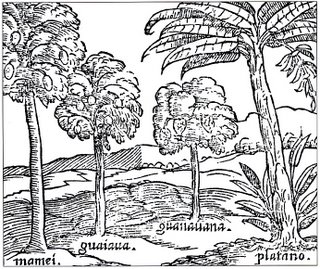

Early examples of the ancient Caribbean pharmacopoeia


In recent years, interest in phytotherapy or the use of traditional herbs, herbal remedies and medicinal plants has continued to gain momentum. According to analysts, this interest has been increasingly stimulated by the rising cost of prescription drugs and transnational bio-prospecting for the development of plant derived drugs (applicably termed “the new gold rush”). While the social and economic implications of this trend merit attention, increased financial investments and current research seem to indicate that medicinal plants will continue to play an important role as a “re-emerging health aid”.

As the use of medicinal plants and the practice of traditional medicine is the norm for significant portions of populations in many so-called “developing countries”, this paper will take a closer look at the development, usage and legacy of medicinal plants, and their particular relationship to Indigenous Peoples in the Americas. Further, it should be of no surprise to the reader that coinciding with the increased attention on medicinal plants, the “global community” has also been witness to an increased focus on the world’s Indigenous Peoples.

Indeed, the 1992 United Nations Convention on Biological Diversity (CBD) recognizes the “close and traditional dependence of many indigenous and local communities embodying traditional lifestyles on biological resources” and that governments “subject to national legislation, respect, preserve, and maintain knowledge, innovations and practices of indigenous and local communities embodying traditional lifestyles relevant for the conservation and sustainable use of biodiversity”. The CBD also recommends the “approval and involvement of the holders of such knowledge, innovations and practices” and encourages “the equitable sharing of the benefits arising from the utilization of such knowledge, innovations, and practices”.

As the United Nations is considered an international standard setting body, this recognition is an extremely important development as industrialized societies continue to exploit medicinal plants, developing drugs and chemotherapeutics not only from these plants but also from herbal remedies traditionally used by rural/local communities and Indigenous Peoples. Today, because of the ever-increasing cost of health care and public demand, there is a great risk that many medicinal plants have already become or face extinction and/or a loss of genetic diversity’.

As the patenting of life forms, and genetic research/engineering have also become increasingly relevant factors in this field, another international organization, the World Intellectual Property Organization (WIPO) has begun to research and analyze the implications of these developments under the intellectual property system via the headings “traditional knowledge and folklore”.

Medicine: A Concept or Product?

Using a wide range of disciplines and resources (archeology, ancient text, anthropology, linguistics, etc.), scientist have ‘confirmed’ that plants have been used as a source of medicine in virtually all cultures. The widespread use of traditional herbs and plants reveals the medicinal properties inherent in many natural products.

It is generally accepted that medicine is linked to health, and the World Health Organization (WHO) defines health as a “state of complete physical, mental, and social well being and not merely the absence of disease or infirmity”. As an indigenous person I would also include the idea of “spiritual well being” as the sum total of the various states of “being” identified by the WHO.

Traditionally, for many Indigenous Peoples the concept of medicine was and is still not as compartmentalized as generally practiced and promoted by Western society today. Indigenous communities throughout the world recognized the sacredness and all encompassing scope of the concept of medicine and this is historically demonstrated by the way of life of communities and individuals; especially with regard to interaction with and respect for the natural world. It is interesting to note that “Western” medical systems of today, which developed via the “man conquers nature” attitude now seem to promote a market driven philosophy of “specialized and prolonged treatment”.

In contrast, indigenous medicine was developed with the understanding that all things are interrelated and co-dependant and this worldview promoted the practice of “holistic prevention and cure”. This fundamental difference between Western philosophy and traditional indigenous worldview offers an important insight into not only why these traditional practices have remained even till today but also why they are now sought after by other sectors of the global community.

The Columbian Exchange

For quite a number of “developing” countries in the Americas, medicine based on local tradition is still a main stay of health care. Within this context, the development, use and legacy of medicinal plants and herbal remedies has an historic and fundamental relationship with “American Indians”. From at least the 15th century, the use of medicinal plants (and food crops) has been consistently documented in the Western Hemisphere, even as many of the cultures responsible for these innovations have disintegrated or in some cases disappeared.

It is estimated that Amerindians developed 60% of the world’s food crops and there are no food plants native to the Americas that were not first cultivated by Indigenous Peoples of the region. As my own Taíno ancestors, and their close relatives the socalled “Carib”, were the first peoples in the Western Hemisphere to be called “Indians”, it must also be acknowledged that many of the medicinal plants and food crops that are now staples in Europe, Africa and Asia, were first encountered in the 15th century Caribbean. The Caribbean’s tropical environment was a virtual “pharmacopoeia” of medicinal plants and herbal remedies and the use of these important resources were not only accessed by so-called “Shamans/Medicine Women or Men” but by most members of the community.

Many Caribbean indigenous plants now identified solely as food crops were also valued by my ancestors for their medicinal properties. That I have included food crops as medicinal plants again speaks to the overall concept of medicine that Indigenous Peoples throughout the Americas observed.

Further, while scholars debate on the effects of introduced foreign diseases, medicine, and religion on the Indigenous Peoples of the Western Hemisphere, we can be sure that pre-Euro-contact lifestyle was a healthier one and a place where diabetes, high blood pressure, asthma, lung cancer, and AIDS were not a part of the peoples’ consciousness.

Just a few of the food crops and medical plants that my ancestors and relatives throughout the hemisphere developed, used and contributed to the world community include: maisi (maize/corn); white potatoes; sweet potatoes; manioc (yuca/cassava); mani (peanuts), chili peppers; cashews; tomatoes; okra; squash (including pumpkin); yayama (pineapples); bija or achiote (Bixa orellan); papaya; avocado (aguacate); kidney beans; lima beans; black-eyed peas; wild rice; blueberries; strawberries; pecans; quinoa; maple syrup; vanilla; cacao (chocolate); mint; aloe; ginger; and sage.

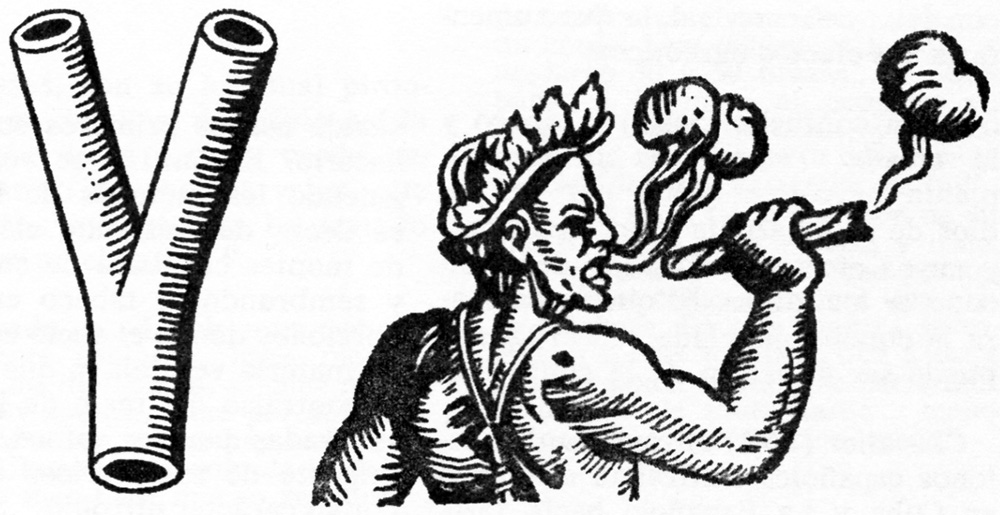
Indigenous Peoples of the Americas have also cultivated non-food crops such as cotton, sisal, indigo, basalms, latex (rubber), and chicle (chewing gum). Even some non-food crops that have a negative connotation today like tobacco and coca were used for spiritual and medicinal purposes. For example, tobacco was not only smoked but also used to cure aliments of the stomach, induce vomiting, and to treat snakebites, etc.
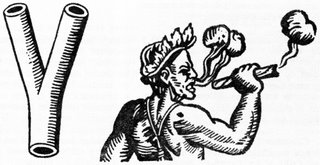

Early Woodcut of Caribbean Indigenous Tobacco Use. Tobacco is a Taino word.

Coca leaves have been used by South American Indigenous Peoples for thousands of years, yet they are now the center of the “Drug Wars” as a result of their exploitation by non-indigenous people. Some of the traditional medicinal use of the coca leaves (which were chewed or ingested as a tea) included relief of hunger and fatigue, altitude sickness, increased respiratory capacity, cerebral and muscle stimulant, as well as relief of nausea and pains of the stomach without upsetting digestion.

As for food crops, fruits, and plants which were and are still harvested in the Caribbean region, just a few examples of medicinal uses include the wild sage (Lantana camara) used in tea to treat colds and chills, soursop or guanabana (Annona muricata L.) used as a sedative for children, the jobo (hog plum or golden apple) used to stop diarrhea or dysentery, and the silk cotton tree or ceiba/kapok (Ceiba pentandra) used in baths to relieve fatigue and to counteract certain poisoning. Allspice (Pimenta dioica) was used not only to preserve meat and fish but also as a remedy to promote digestion, toothache relief, and the alleviation of muscle pain. Aromatic allspice berries have a long history in Caribbean “folk healing”.

In Jamaica, people drink hot allspice tea for colds, menstrual cramps and upset stomach. Some Costa Ricans use it to treat indigestion, flatulence and diabetes while it is considered a refreshing tonic in parts of Cuba. Guatemalans apply the crushed berries to bruises, joints and muscle pains. Culantro or Recao (Eryngium foetidum L., Apiaceae), not to be confused with its close relative cilantro (Coriandrum sativum L.), was use to treat fevers and chills, vomiting, diarrhea, and in Jamaica for colds and convulsions in children. The leaves and roots of culantro are boiled and the “tea” ingested to treat pneumonia, flu, diabetes, constipation, and malaria fever.

Many of these traditional indigenous practices continued to be observed today especially within the rural and urban populations of Caribbean society. As in earlier times, access to this traditional knowledge is not limited to “local specialist” sometimes called “Curandera/os” but to various members of the community.

Today, one of the most notable contemporary examples of the popular use of traditional medicinal practices in the Caribbean is the use and prominence of “Green Medicine” in Cuba. This practice has been a main stay in heath care for decades in this country and includes traditional indigenous plant and herbal remedies as well as alternative and holistic healing methods.

Another example of the prominence that traditional indigenous based medicine has attained in the Circum-Caribbean region is that in 1993, the Belizean government established the world’s first medicinal plant reserve. This 6,000-acre reserve, dedicated to the preservation of potential lifesaving herbs, is called the Terra Nova Medicinal Plant Reserve. Seedling plants rescued from rainforest areas in danger of destruction due to “development” are sent to Terra Nova for transplanting. The Belize Association of Traditional Healers runs this reserve.

As we move from the Caribbean islands on through the Americas, the importance of the tropical rainforest of South America in the discussion of medicinal plants and traditional healing practices must be acknowledged.

It is estimated that 90% of the rainforest flora used by Amazonian Indians as medicines have still not been examined by modern science. This situation represents a horrible irony as these unique ecosystems, which have been developed over millennia with the direct influence of Indigenous Peoples, are now disappearing at an alarming rate and the potentially catastrophic implications of this trend on the rest world are staggering. Further, this scenario is true not only of rainforest in the Americas but around the entire world. Of the few rainforest plants that have been studied by modern medicine, treatments have already been found for childhood leukemia, breast cancer, high blood pressure, asthma, and scores of other illnesses.

Indeed, 70% of the plant species identified by the US National Cancer Institute as holding anti-cancer properties come from the rain forest and an estimated 37% of all medicines prescribed in the U.S. have active ingredients derived from rainforest flora.

As we move into North America, an incredible amount of plant-derived medications have been identified in Mexico alone. Before contact with Europeans, the Maya and Aztec peoples kept many written records of the uses of medicinal plants in books that are now know as Codices. In the 16th Century many of these ancient text books of knowledge were literally burned by zealous Christian clerics who linked traditional indigenous knowledge to alleged “idolatry” and other so-called “pagan practices”.

The potential loss of that wealth of information is incomprehensible, and represents another one of the countless tragedies, which occurred as a result of these early forms of religious intolerance, xenophobia and racism promoted by the early Europeans colonist. Perhaps, as Walter R. Echo-Hawk contends “it is difficult for a culture with an inherent fear of ‘wilderness’ and a fundamental belief in the ‘religious domination’ of humans over animals to envision that certain aspects of nature can be sacred.”

Among the diverse communities of Indigenous Peoples who lived throughout the lands that are known today as the United States and Canada, the development, usage and contributions of medicinal plants are similarly as substantial and significant.

Just a few medicinal plants used by “Native Americans” included yarrow (for headaches), echinacea, golden seal, wild sarsaparilla (for blood, and sores), mugwort (dysentery), wormwood (sprains), bearberry (headaches), wild ginger (indigestion), common milkweed (diseases of women), and prairie sage (convulsions, hemorrhage, and tonic). American Indians were even using the dandelion long before the discovery of America for a wide variety of ailments. The plant was a sort of panacea (cure for everything) and recent scientific evidence exists to substantiate these uses.

Native Americans also used bearberry, or kinnikinnick as they called it, in their ceremonial pipe in place of tobacco. The Arikaras cultivated sacred tobacco and mixed it with dried bearberry leaves and the dried inner bark of red dogwood. Some Native American tribes even mixed tobacco with bearberry to make a milder smoke. The use of tobacco and the smoking of the sacred pipe throughout the Americas cannot be seen in isolation from the use of other medicinal herbs like sage, cedar, black berry, and so many others, which were at times either chewed, brewed in teas or used as poultices.

A Matter of Respect

Like the sacred pipe, and even the ceremonial use of cigars, socalled “hallucinogens” have been part of the health and spiritual well-being of indigenous communities throughout the Americas for thousands of years. Even today, the sacramental use of sacred medicine plants like ayahuasca, peyote (Lophophora williamsii), cohoba/yopo (Piptadenia peregrina/Anadenanthera peregrina), certain mushrooms and others are still well respected by those Indigenous Peoples who interact with these “holistic purgatives” on a regular basis. However, misunderstanding, abuse and exploitation of these sacred plants by non-indigenous people highlight other fundamental differences between Western and indigenous concepts of traditional medicine.

Indeed, it is important to again acknowledge the all-encompassing/holistic concept of traditional medicine for Indigenous Peoples and link this to the ideal of spiritual health as a primary goal for the community. With this in mind, Indigenous Peoples in the Americas have revered and used natural “hallucinogens” for their healing, cleansing and transformative properties “since time beginning”.

While modern science is just beginning to recognize, explore and even “validate” some of these traditional views, through the centuries writers have continually commented on the advanced medical systems of many South and North American Indigenous Peoples. Some writers have even acknowledged that indigenous medical traditions in the Americas were actually more advanced than those being practiced in Europe at the time of the Conquest.

In fact, while Europeans were still “bleeding” people to treat aliments, the so-called “red savages” of the Americas were in comparison leading much healthier lives and even performing complex medical procedures like brain operations, c-sections, setting bones, and using anesthetics etc. All of these traditional medical procedures were used in conjunction with medicinal plants, other natural resources and socio-religious ceremonies, which were and still are respected and considered sacred by many Indigenous Peoples.

To emphasize the similarity of Indigenous Peoples philosophy with regard to the sacred in all these processes, I will return my focus to the Caribbean where the Taíno Indian descendants in rural areas still honor tobacco as a sacred herb. Even before other herbs are picked for special teas or “un cocimiento”, tobacco seeds are used as an offering to the medicinal plants.

As one can see the popular phrase, “you are what you eat” was something my ancestors and their relatives throughout the Hemisphere were very familiar with and this is an ideal that is today worthy of attention and respect. As my community and other communities around the world are falling victim to diseases such as diabetes, obesity, high bold pressure, high cholesterol etc. as well as being enticed, coerced or unknowingly introduced to genetically modified foods, traditional knowledge is not only worthy of attention but it is a literally a matter of life and death.

But as with all aspects of life, the use of medicinal plants is ultimately a matter of respect for as the Taíno Grandmothers say the “plants know and can help you or hurt you, depending on how you approach them”.

*This article was published by the International Center for Cultural Studies and presented at the First International Conference & Gathering of Elders held 4-9 February 2003, in Mumbai, India.

10/03/2006

Columbus the Exploiter...

UCTP Taino News - In 1492, Columbus sailed the ocean blue, in search of new lands, gold and the wealth that these "discoveries" would bring him. He 'discovered' and 'claimed' many islands throughout the Caribbean. But, what kind of 'discovery' is it if there are already people there? And, what right did he have to 'claim' these lands, when the Taino people had been living there for thousands of years?

As if that weren't enough, what he did next was truly despicable. Columbus wrote in his journal that the Taino were strong, well-built people and that with his weapons and 50 men he could enslave the entire population. He forced the Taino to mine for gold for him. Those who refused were killed, those who did not meet their quotas had their hands cut off and were left to bleed to death. Women and children were raped. The people were tortured, starved and worked to death.

Others were killed in even more horrific ways... they were cut in half with swords, hung in groups of 13 representing the Savior and the Apostles, roasted alive, while others were chased down by starving attack dogs and torn apart. Shiploads of Taino people were taken to the slave markets in Seville, Spain to be sold for profit. Many died enroute and were thrown overboard. Other exploiters who came after Columbus said it was possible to find your way to the Indies by following the bodies in the water.

Columbus was the first slave trader in the Americas. Millions died as the greed and brutality he brought to their shores caused death and destruction to the Taino people.

Although the truth is known about Columbus, the USA still honors him with a federal holiday.

Columbus Day is the ONLY disputed holiday with 17 states refusing to honor this murderer.

http://www.birthdayalarm.com/CardForYou.jsp?MID=300&CardSendRecipientId=28027314&ChecksumNbr=1695523

9/12/2006

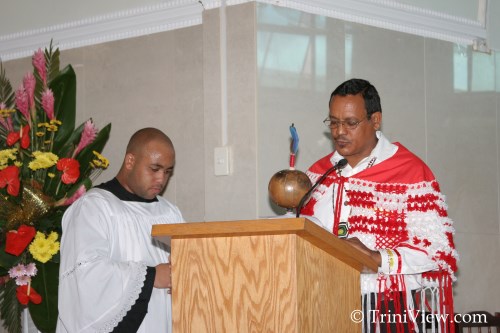
Caribs Celebrate the Feast of Santa Rosa


Carib Chief Ricardo B. Hernandez address the Church
Service in Arima, Trinidad. (Photo: Triniview)

Arima, Trinidad (UCTP Taino News) - The Santa Rosa Carib Communty Celebrated The Feast of Santa Rosa With Church Service and Street Procession followed by Various Festivities on August 27, 2006.

Review a photo gallery of the complete event and community members at Triniview: http://triniview.com/album/Carib_Festival_270806

9/11/2006

Sharing thoughts on 9-11...

From Inarunikia inaru2003@yahoo.com:

Today is the anniversary of 9-11... Ground Zero,the Pentagon and a field in Pennsylvania are now called Sacred Ground.... With all the respect that should be afforded to the friends and families of the victims of 9-11 I hope America also remembers Wounded Knew is Scared Ground, Ponce is Sacred Ground...

Fact is the list for Natives is endless. So when the words of those in government state 'We must prevent another 9-11" remember the dust beneath America's soil is that of the bones of our ancestors.... Millions of them victims of terror as well.... Are Native People SAFE? What color will alert them of any impending danger? The Red, the White or the Blue?

Wounded Knee is Sacred Ground.....

------------------------

*Related Story "Terrorist Attack - Tragedy in the U.S."

9/01/2006

Guyana: Amerindian Heritage Month Launch Today

Guyana, South America (UCTP Taino News) - September is designated as `Amerindian Heritage Month'. During Heritage Month, Indigenous Peoples from all around the country will come together to celebrate and showcase their products and resources.

During the month-long commemoration, focus will be on cultural, sports and environmental activities in and out of Amerindian communities. There are 9 different indigenous peoples who have inhabited the land which is known as Guyana for several thousand years.

In 1995, the late President Dr. Cheddi Jagan designated September as Amerindian Heritage Month to showcase and promote Amerindian culture and contributions as Guyanese. The observance in September has received recognition from various Amerindian groups because on September 10, 1957, the first Amerindian Parliamentarian Mr. Stephen Campbell of Santa Rosa, Moruca, was sworn in as a Member of Parliament (MP).

UCTPTN 09.01.2006

6/30/2004

Caribbean Indigenous Peoples at the UN Permanent Forum

UNITED NATIONS (UCTP Taino News) - Several Caribbean Indigenous community leaders representing the UCTP and other organizations participated within the UN Permanent Forum on Indigenous Issues from May 10-21, 2004.

These representatives presented statements to the plenary sessions, as well as participated in the several lobbying Caucuses throughout the session.

Several Taíno artists were also featured in the exhibition “Celebrating Indigenous Peoples” sponsored by the United Nations Department of Public Information Exhibitions Unit.

UCTP representatives have participated at the Forum since its inception and this involvement has led to an increased visibility and awareness of Caribbean Indigenous Issues on an international level.

4/28/2004

The UCTP and the Native Nations Procession

Ta'kahi Guaitiao (Greetings Relatives):

On behalf of the UCTP, it is my hope that at the time you receive this message, you are all in good health and spirit. Below you will find a weblink to sign up for the Indigenous Peoples Procession at the opening of the Smithsonian's National Museum of the American Indian (NMAI) on Tuesday, September 21st, 2004. As per the request of our elders, I have been asked to appeal to all Taino, Carib and Arawak Tribes, groups, organizations etc. to march together in this historic procession as unified Indigenous Caribbean Peoples and Nations. This
is an excellent opportunity to present our community to other Indigenous Peoples from throughout the hemishere in a good way.

Please sign up via the internet link below and consider marching with the United Confederation of Taino People's contingent. You are more than welcome to bring your own group's banners, flags etc. We can coordinate a meeting place before the procession via email as we already have contacts in the Washington D.C. area.

The link to sign up can be found at:

http://160.111.252.76/cma/English/registrationForm.jsp

This is the URL to the NMAI Website:

http://www.AmericanIndian.si.edu/subpage.cfm?subpage=dc&second=grand&third=proce\ssion

Below this message, you will find more information on the procession itself. Please let us know by email at uctp_ny@yahoo.com once you have registered so we know how many persons will be participating with us at this historic event.

In closing my relatives, let us use this opportunity to "break Casabi bread" together in the spirit of our ancestors.

Oma'bahari (With Respect),
Roberto Mukaro Borrero,
President, UCTP
UCTP Office of International Relations
and Regional Coordination
http://www.uctp.org/

--------------------------------------------------

Native Nations Procession FAQs

PROCESSION

What is the Native Nations Procession?
The Native Nations Procession is a highly symbolic walk of indigenous cultural expression that will celebrate the grand opening of the National Museum of the American Indian. The Procession will formally kick-off the six-day festival on the National Mall in Washington D.C.

Where and when is the Procession scheduled?
The Procession "staging area" will be located on the National Mall (grassy area) at 14th Street, between Madison and Jefferson Drives. The Procession begins at approximately 8 a.m. on Tuesday, September 21, 2004. The event will take place rain or shine, so please plan accordingly.

What is the Procession route?
The Procession will follow a route along the National Mall between the Washington Monument and the United States Capitol. Approximately one mile in length, the route will conclude at the site of the NMAI Opening Ceremony.

REGISTRATION

How do I register?
You may register online at www.AmericanIndian.si.edu/procession. All participants must register by May 31, 2004. Due to heightened security in the nation's capital and the large number of guests anticipated for the NMAI Opening Ceremony, only registered participants will be allowed in the Procession.

Who can register for the Procession?
All participants must register in one of the following three categories: Native Nation, Organization, or Independent. Native Nations will lead the procession in alphabetical order, followed by Tribal Organizations in alphabetical order, concluding with Independent participants. Independents are non-Native individuals and organizations who would like to show their support for the museum during the grand opening celebration.

Can I register my family or organization together on one form?
No. A separate registration form is required for each participant. Children must be accompanied by a parent or guardian.

Is there a fee to register?
No. Registration is free and may be completed online, using the online Registration Form, by mail, or by fax.

Will I receive a confirmation of my registration?
Yes. The NMAI will provide a written confirmation to each participant by mail within 2-4 weeks of receiving the registration form. In August 2004, registrants will receive more detailed information confirming the schedule of events, public transportation options, and maps of the
Washington area. PLEASE NOTE: PROCESSION REGISTRATION DOES NOT INCLUDE
A TIMED ENTRY PASS TO VISIT THE MUSEUM. TO SECURE AND GUARANTEE YOUR
PASS, PLEASE VISIT www.AmericanIndian.si.edu/tickets.cfm, or CALL 866-400-6624.

Where do I send completed registration forms?
You may mail registration forms to: National Museum of the American Indian, Attn: Procession, P.O. Box 23473, Washington, DC 20026-3473. You may also submit or download forms online at: www.AmericanIndian.si.edu/procession. Faxed forms may be sent to: 301-238-3200, Attention: Procession.

PROTOCOLS

Is traditional dress required?
While we encourage you to wear your traditional clothing, you are welcome to participate in the manner you are most comfortable.

How will each Native Nation be assembled for the Procession?
We are encouraging each Nation to determine for itself how it would like to be represented during the Procession. We understand that some tribal communities will be bringing their honor guards, tribal dignitaries, as well as tribal members. This might also include their tribal banners and/or flags. Please note that the museum is unable to provide flag stands or storage areas, so please plan accordingly.

Are animals permitted in the Procession?
Due to the large crowds expected for the Opening Ceremony, no animals of any kind will be permitted in the Procession. This precaution is for your safety as well as the safety of others participating in this historic event.

Are there other restrictions?
Firearms, glass containers, and alcoholic beverages are not allowed. These restrictions will be strictly enforced by Smithsonian Security, Metro Transit Police, U.S. Park Police, and the District of Columbia Metropolitan Police Department..

LOCAL PARKING & TRANSPORTATION

Where can I park my car, R.V., or chartered bus?
Street parking during the opening week is very limited and presents many challenges. Road closures and barricades will limit public access to the National Mall, especially on September 21st. As a convenient alternative we are encouraging those who are staying in close proximity to the Mall to consider public transportation, such as taxi or the Metro rail and bus systems. In addition, we will offer off-site satellite parking and shuttle service from RFK Stadium to the National Mall to accommodate our Procession participants on September 21st only. More detailed information will be added as it becomes available.

What is the closest Metro station?
The "Smithsonian" station is the closest Metro stop to the National Mall and the staging area for the Procession. Materials mailed to each registrant in August 2004 will provide additional information to assist you in navigating the mass transit system and the Washington, D.C.,
area.

How do I get to the Procession staging area?
A shuttle service will be provided to and from RFK Stadium and the National Mall on September 21st only for those who wish to park off-sight. For those arriving by public transportation we recommend that you arrive nearest our staging area, which is located on the 14th Street end of the National Mall (the area closest to the Washington Monument).

Because of the weekday rush-hour traffic, we recommend that you reserve enough time to arrive and geographically orient yourself at the staging area.

ACCOMMODATIONS, TOURISM & TRAVEL

Where can I stay and what else can I do during my visit to Washington,
D.C.?

September is a peak convention and tourism month; therefore we are encouraging out-of-town guests to secure accommodations as soon as possible. For local travel, tourism, and accommodations, we recommend that you contact the Washington D.C. Convention and Tourism Corporation at 800-422-8644 x2004 or 202-789-7000 or visit www.Washington.org.

Will I be able to view the museum's collection during my visit?
Yes, NMAI will host an Open House at the Cultural Resources Center (CRC), located in Suitland, Maryland. The CRC is a state-of-the art conservation and research facility housing the museum's collection. There will be a shuttle service provided from the museum to the CRC
during the grand opening week, with the exception of September 21st. For more information, please contact Geoffrey Cavanagh at 301-238-6624 x6215.

Which airport should I fly into?
There are three airports that serve the Washington, D.C. Metropolitan area:

* Ronald Reagan Washington National Airport (DCA); www.mwaa.com
Closest airport to the District of Columbia
Travelers Aid: 703-417-3974
* Dulles International Airport (IAD); www.mwaa.com
Located in Northern Virginia, approx. 35-45 min. from D.C.
Travelers Aid: 703-572-8296
* Baltimore/Washington International Airport (BWI); www.bwiairport.com
Located approx. 40-50 min. from D.C. via shuttle/cab or rail
Airport Information: 800-435-9294

What about travel by rail?
Amtrak is a convenient form of travel to the Washington, D.C., area, including southern Maryland and Northern Virginia. You may contact them directly at www.amtrak.com or 800-USA-RAIL.


ACCESSIBILITY FOR PERSONS WITH LIMITED MOBILITY

What can you tell me about getting around in D.C. for those with limited mobility? Washington, D.C., is one of the most accessible cities in the nation for persons with disabilities. When booking your hotel, local travel arrangements, and other tourism needs please be sure to communicate any special needs that you may have. For more detailed information or to order a copy of The Washington, D.C. Access Guide, please contact DisabilityGuide.org at 301-528-8664 or visit
www.disabilityguide.org. By mail they can be reached at Access Information, Inc., dba DisabilityGuide.org, 21618 Slidell Rd, Boyds, MD 20841.

Will there be wheelchairs, scooters, walkers, or other medical devices
available on-sight?


Due to the large numbers of people with limited mobility, we cannot guarantee any specific provisions for the Procession. As an alternative, we will have tour mobiles on-sight and available to escort Procession participants before and during the Procession route to the Opening Ceremony site as the need arises. If you would like to rent any medical equipment during your stay, please contact Disability Guide.org at 301-528-8664 or visit www.disabilityguide.org. By mail they can be reached at Access Information, Inc., dba DisabilityGuide.org, 21618
Slidell Rd, Boyds, MD 20841.

ADDITIONAL INFORMATION

Does the museum provide any grants or scholarship funds to help off-set
my travel costs?

No, unfortunately, NMAI does not have the financial resources to provide funding to cover or off-set travel costs.

Will there be a powwow?
No, however, the National Congress of the American Indian (NCAI), in collaboration with the American Indian Society of Washington, D.C, will host a Social Dance at 1 p.m. on the National Mall as part of the First Americans Festival. For more detailed information, please visit the
NCAI website at http://www.ncai.org/.

CONTACT US

Who may I contact if I have further questions regarding the Native
Nations Procession?


You may contact NMAI toll-free at 877-830-3224 or 301-238-3023. You may also inquire via email at: Procession@nmai.si.edu. You may also contact the Smithsonian's Visitor Information Associate Reception's Center (VIARC) at 202-633-1000 (TTY: 202-357-1729).