by William Loren Katz
As President Bill Clinton and others arrived for the 42nd anniversary of Selma's "bloody Sunday" that assured Congressional passage of the 1965 Voting Rights Act, the Cherokee Nation took a different road. It voted overwhelmingly to revoke citizenship rights for 2800 members because their ancestors included people of Africa descent.
Marilyn Vann, president of the Descendants of Freedmen of the Five Civilized Tribes, has long fought racism from both governmental officials and Indigenous figures. In this instance, she claims, Cherokee leaders misled voters by insisting "freedmen don't have Indian blood", "the freedmen were forced on the tribe", "the freedmen do not have a treaty right to citizenship", "the people have never voted on citizenship provisions in the history of the tribe", and "the amendment will create an all Indian tribe." Cherokee voters were also influenced by the racist charge "that the freedmen if not ejected, would use up all of the tribal service monies."
The design of the constitutional amendment, Vann points out, is patently discriminatory. It removes membership from descendants of enrolled freedmen members whose documentation of Indian ancestry was affirmed by the Dawes Commission more than a century ago as well as those without documentation of Indian ancestry. On the other hand it accepts Cherokee members with white blood or even people whose ancestors are listed as "adopted whites."
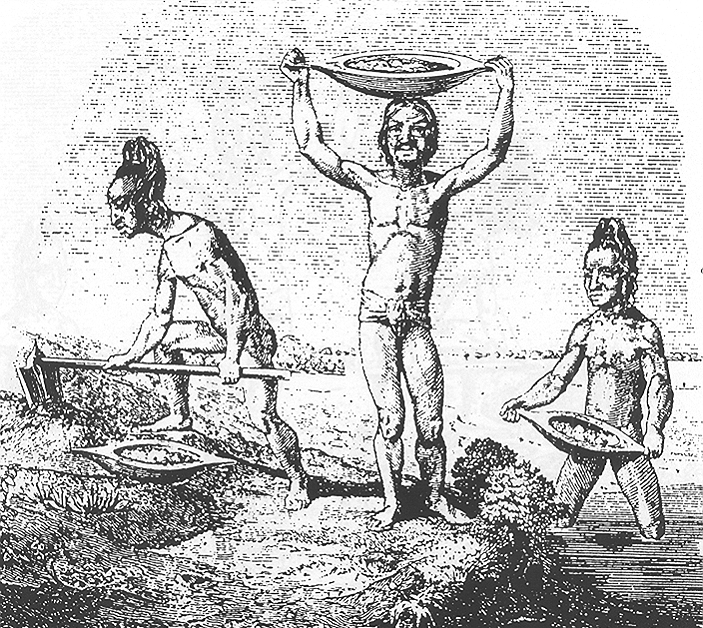
This development comes at a moment of intense examination of the African and Indian alliances that began after 1492. Governor Nicolas de Ovando of Hispaniola arrived in the Americas in 1502 with a Spanish armada that carried the first enslaved Africans. Within a year Ovando wrote to King Ferdinand that the Africans "fled to the [Taino] Indians and never could be captured." To the fury of Europeans, Native Americans, the first people enslaved in the New World, accepted African runaways. Obviously, Indians saw no reason to face the invasion
alone.
In maroon colonies beyond the European coastline settlements, each group contributed invaluable gifts. As victims of the triangular trade, Africans brought a unique view of European goals, weapons, and diplomacy. Native American villages offered runaways a safe haven for families and a base for operations, and the two peoples of color forged their maroon settlements into the "first rainbow coalition." So ubiquitous were maroons that a French scholar called them
"the gangrene of colonial society." And so threatening were they to white hegemony, that Europeans repeatedly dispatched search and destroy armies.
British colonial officials in what is now the United States required Indian Nations to sign treaties promising the return of Black runaways. (There is no record of any fugitives being returned!) To keep Native American villages from becoming an escape hatch, officials offered Indians staggering rewards for runaways. And finally, British traders introduced African slavery to the Five Nations -- the Cherokees, Choctaws, Chickasaws, Creeks and Seminoles. Once these Nations adopted European-style dress, Christianity and African bondage, they were called "The Five Civilized Tribes." But in the age of Nat Turner's slave rebellion in 1831, southern planters, still frantic about leaks in their labor system, demanded removal of the Five Nations. Presidents Jackson and Van Buren authorized the Army to conduct a Trail of Tears that pushed 60,000 Indians, including black members, to barren lands in Oklahoma. Black and red Cherokees
comforted one other as thousands perished on the painful march.
By then African bondage dominated the social, political and economic life of the Five Nations, and created class and racial divisions that persist today. A minority of Cherokees with white blood owned slaves and claimed a superior status. The majority "pure Indian blood" Cherokees became "inferior." Africans were kept on the lowest rung. However in the 1850s, Heinrich Mollhausen, a noted German artist visited the Indian Territory and described a form of bondage
unlike that practiced on southern plantations:
"These slaves receive from the Indian masters more Christian treatment than among the Christian whites. The traveler may seek in vain for any other difference between master and servant than such as nature had made in the physical characteristics of the races; and the Negro is regarded as a companion and helper, to whom thanks and kindness are due when he exerts himself for the welfare of the household."
In 1860 Cherokees in Oklahoma owned 2511 slaves, and at the outset of the Civil War the Five Nations with 8,000 slaves, pressured by pro-slavery Indian Agents and surrounded on three sides by Confederate forces, agreed to support the Confederacy. However, Opothle Yahola, a wealthy Creek Chief, was able to lead 7,600 people -- including half of the Seminole Nation, Cherokees, Choctaws, Chickasaws, Creeks and others, to federal lines in Kansas. By April 1862 the young men of the multicultural exodus had joined the Union Army, fought early
battles and helped free slaves in Missouri.
The Union victory in the Civil War allowed U.S. officials to scrap its Indian treaties. Whites, who forced African slavery on Indians, suddenly demanded they accept freedom. The Seminoles quickly embraced equality, and elected African members to high office, and the other nations were slower. However, in a few years Black Cherokees ran barbershops, blacksmith shops,
general stores and restaurants, and some became ferryboat operators, cotton-gin managers, teachers and postmasters. O.S. Fox, editor of the Cherokee Afro-American was enthusiastic about the Indian Territory:
"The opportunities for our people in that country far surpassed any of the kind possessed by our people in the U.S. . . . It is nonsense for any Afro-American to emigrate to Africa or anywhere else if he can make a living in the Indian Territory."
In 1879 Cherokees of African descent in petitioning for their rights recalled their legacy in these words:
"The Cherokee nation is our country; there we were born and reared; there are our homes made by the sweat or our brows; there are our wives and children, whom we love as dearly as though we were born with red, instead of black skins. There we intend to live and defend our natural rights, as guaranteed by the treaties and laws of the United States, by every legitimate and lawful means."
In 2007 Cherokees of African lineage still have to fight for their natural rights and against the racial bigotry carried across the Atlantic by the invaders.
____________________________________________________________
William Loren Katz is the author of BLACK INDIANS: A HIDDEN HERITAGE and forty other books. His webwsite is WWW.WILLIAMLKATZ.COM
As President Bill Clinton and others arrived for the 42nd anniversary of Selma's "bloody Sunday" that assured Congressional passage of the 1965 Voting Rights Act, the Cherokee Nation took a different road. It voted overwhelmingly to revoke citizenship rights for 2800 members because their ancestors included people of Africa descent.
Marilyn Vann, president of the Descendants of Freedmen of the Five Civilized Tribes, has long fought racism from both governmental officials and Indigenous figures. In this instance, she claims, Cherokee leaders misled voters by insisting "freedmen don't have Indian blood", "the freedmen were forced on the tribe", "the freedmen do not have a treaty right to citizenship", "the people have never voted on citizenship provisions in the history of the tribe", and "the amendment will create an all Indian tribe." Cherokee voters were also influenced by the racist charge "that the freedmen if not ejected, would use up all of the tribal service monies."
The design of the constitutional amendment, Vann points out, is patently discriminatory. It removes membership from descendants of enrolled freedmen members whose documentation of Indian ancestry was affirmed by the Dawes Commission more than a century ago as well as those without documentation of Indian ancestry. On the other hand it accepts Cherokee members with white blood or even people whose ancestors are listed as "adopted whites."
This development comes at a moment of intense examination of the African and Indian alliances that began after 1492. Governor Nicolas de Ovando of Hispaniola arrived in the Americas in 1502 with a Spanish armada that carried the first enslaved Africans. Within a year Ovando wrote to King Ferdinand that the Africans "fled to the [Taino] Indians and never could be captured." To the fury of Europeans, Native Americans, the first people enslaved in the New World, accepted African runaways. Obviously, Indians saw no reason to face the invasion
alone.
In maroon colonies beyond the European coastline settlements, each group contributed invaluable gifts. As victims of the triangular trade, Africans brought a unique view of European goals, weapons, and diplomacy. Native American villages offered runaways a safe haven for families and a base for operations, and the two peoples of color forged their maroon settlements into the "first rainbow coalition." So ubiquitous were maroons that a French scholar called them
"the gangrene of colonial society." And so threatening were they to white hegemony, that Europeans repeatedly dispatched search and destroy armies.
British colonial officials in what is now the United States required Indian Nations to sign treaties promising the return of Black runaways. (There is no record of any fugitives being returned!) To keep Native American villages from becoming an escape hatch, officials offered Indians staggering rewards for runaways. And finally, British traders introduced African slavery to the Five Nations -- the Cherokees, Choctaws, Chickasaws, Creeks and Seminoles. Once these Nations adopted European-style dress, Christianity and African bondage, they were called "The Five Civilized Tribes." But in the age of Nat Turner's slave rebellion in 1831, southern planters, still frantic about leaks in their labor system, demanded removal of the Five Nations. Presidents Jackson and Van Buren authorized the Army to conduct a Trail of Tears that pushed 60,000 Indians, including black members, to barren lands in Oklahoma. Black and red Cherokees
comforted one other as thousands perished on the painful march.
By then African bondage dominated the social, political and economic life of the Five Nations, and created class and racial divisions that persist today. A minority of Cherokees with white blood owned slaves and claimed a superior status. The majority "pure Indian blood" Cherokees became "inferior." Africans were kept on the lowest rung. However in the 1850s, Heinrich Mollhausen, a noted German artist visited the Indian Territory and described a form of bondage
unlike that practiced on southern plantations:
"These slaves receive from the Indian masters more Christian treatment than among the Christian whites. The traveler may seek in vain for any other difference between master and servant than such as nature had made in the physical characteristics of the races; and the Negro is regarded as a companion and helper, to whom thanks and kindness are due when he exerts himself for the welfare of the household."
In 1860 Cherokees in Oklahoma owned 2511 slaves, and at the outset of the Civil War the Five Nations with 8,000 slaves, pressured by pro-slavery Indian Agents and surrounded on three sides by Confederate forces, agreed to support the Confederacy. However, Opothle Yahola, a wealthy Creek Chief, was able to lead 7,600 people -- including half of the Seminole Nation, Cherokees, Choctaws, Chickasaws, Creeks and others, to federal lines in Kansas. By April 1862 the young men of the multicultural exodus had joined the Union Army, fought early
battles and helped free slaves in Missouri.
The Union victory in the Civil War allowed U.S. officials to scrap its Indian treaties. Whites, who forced African slavery on Indians, suddenly demanded they accept freedom. The Seminoles quickly embraced equality, and elected African members to high office, and the other nations were slower. However, in a few years Black Cherokees ran barbershops, blacksmith shops,
general stores and restaurants, and some became ferryboat operators, cotton-gin managers, teachers and postmasters. O.S. Fox, editor of the Cherokee Afro-American was enthusiastic about the Indian Territory:
"The opportunities for our people in that country far surpassed any of the kind possessed by our people in the U.S. . . . It is nonsense for any Afro-American to emigrate to Africa or anywhere else if he can make a living in the Indian Territory."
In 1879 Cherokees of African descent in petitioning for their rights recalled their legacy in these words:
"The Cherokee nation is our country; there we were born and reared; there are our homes made by the sweat or our brows; there are our wives and children, whom we love as dearly as though we were born with red, instead of black skins. There we intend to live and defend our natural rights, as guaranteed by the treaties and laws of the United States, by every legitimate and lawful means."
In 2007 Cherokees of African lineage still have to fight for their natural rights and against the racial bigotry carried across the Atlantic by the invaders.
____________________________________________________________
William Loren Katz is the author of BLACK INDIANS: A HIDDEN HERITAGE and forty other books. His webwsite is WWW.WILLIAMLKATZ.COM