Geneva, Switzerland (UCTP Taino News) - The United Nations Expert Mechanism on the Rights of Indigenous Peoples (EMRIP) concluded its inaugural session in Geneva on Friday, 3 October with the adoption of a number of proposals to the Human Rights Council. The Durban Review Conference on Racism, the right of Indigenous People to education, and the participation of Indigenous Peoples in sessions of the Council and United Nations human rights treaty bodies were the focus of some of the proposals presented.
The Expert Mechanism is mandated to provide thematic expertise on the rights of Indigenous Peoples to the UN Human Rights Council. The group met from 1-3 October at the Palais des Nations in Geneva with more than 400 registered to the historic meeting. A majority of those attending the inaugural session were Indigenous Peoples who actively participated in the three-day meeting making recommendations to the newly formed body as well as relating human rights situations affecting their communities.
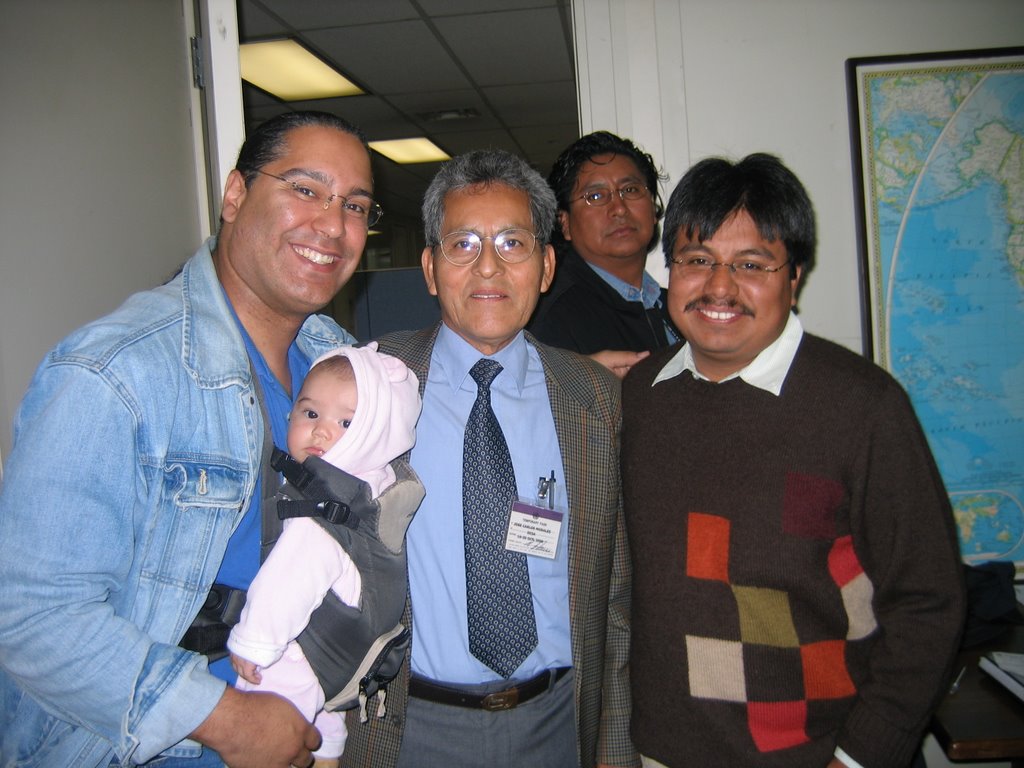
Among the many presentations made at the session a joint oral statement on the points of consideration of the EMRIP study on Education was presented by the International Indian Treaty Council (IITC) and the United Confederation of Taino People (UCTP). The presentation was made by IITC Executive Director Andrea Carmen. The IITC presented several other interventions during the session. Both the IITC and the UCTP participated within the Global Indigenous Caucus sessions to the EMRIP.
As mandated by the Human Rights Council through a resolution adopted at its session last week, the Expert Mechanism began to identify and suggest proposals for its consideration in 2009. In connection to the upcoming UN Durban Review Conference on racism taking place next year, the Experts were asked to assist the Preparatory Committee of the Conference by submitting recommendations as contributions to its outcome. The Experts recommended that the Durban Declaration and Programme of Action should acknowledge that the right of self-determination and the principle of free, prior and informed consent are now universally recognized through the adoption of the Declaration on the Rights of Indigenous Peoples.
In addition, the Experts recommended that the Declaration be considered as one of the human rights standards in the Human Rights Council’s Universal Periodic Review process.
The Experts also began work on preparing a study on lessons learned and challenges to achieve the implementation of the right of Indigenous Peoples to education to be concluded in 2009. In another proposal, the Expert Mechanism invited the Special Rapporteur on the situation of human rights and fundamental freedoms of indigenous peoples and the Permanent Forum on Indigenous Issues to contribute to the study and requested the Human Rights Council to authorize a two-day technical workshop/review to finalize the study.
At the meeting’s opening, John Henriksen (Norway) was elected to serve as Chairperson-Rapporteur of the first session and Jose Carlos Morales (Costa Rica) as Vice Chairperson-Rapporteur. The other three members of the Expert Mechanism are Catherine Odimba Kombe (Democratic Republic of the Congo), Jannie Lasimbang (Malaysia) and Jose Molintas (Philippines).
The Expert Mechanism will hold its second session in 2009 with the date to be decided at the 10th regular session of the Human Rights Council scheduled to be held in March 2009.
UCTPTN 10.06.2008
The Expert Mechanism is mandated to provide thematic expertise on the rights of Indigenous Peoples to the UN Human Rights Council. The group met from 1-3 October at the Palais des Nations in Geneva with more than 400 registered to the historic meeting. A majority of those attending the inaugural session were Indigenous Peoples who actively participated in the three-day meeting making recommendations to the newly formed body as well as relating human rights situations affecting their communities.
Among the many presentations made at the session a joint oral statement on the points of consideration of the EMRIP study on Education was presented by the International Indian Treaty Council (IITC) and the United Confederation of Taino People (UCTP). The presentation was made by IITC Executive Director Andrea Carmen. The IITC presented several other interventions during the session. Both the IITC and the UCTP participated within the Global Indigenous Caucus sessions to the EMRIP.
As mandated by the Human Rights Council through a resolution adopted at its session last week, the Expert Mechanism began to identify and suggest proposals for its consideration in 2009. In connection to the upcoming UN Durban Review Conference on racism taking place next year, the Experts were asked to assist the Preparatory Committee of the Conference by submitting recommendations as contributions to its outcome. The Experts recommended that the Durban Declaration and Programme of Action should acknowledge that the right of self-determination and the principle of free, prior and informed consent are now universally recognized through the adoption of the Declaration on the Rights of Indigenous Peoples.
In addition, the Experts recommended that the Declaration be considered as one of the human rights standards in the Human Rights Council’s Universal Periodic Review process.
The Experts also began work on preparing a study on lessons learned and challenges to achieve the implementation of the right of Indigenous Peoples to education to be concluded in 2009. In another proposal, the Expert Mechanism invited the Special Rapporteur on the situation of human rights and fundamental freedoms of indigenous peoples and the Permanent Forum on Indigenous Issues to contribute to the study and requested the Human Rights Council to authorize a two-day technical workshop/review to finalize the study.
At the meeting’s opening, John Henriksen (Norway) was elected to serve as Chairperson-Rapporteur of the first session and Jose Carlos Morales (Costa Rica) as Vice Chairperson-Rapporteur. The other three members of the Expert Mechanism are Catherine Odimba Kombe (Democratic Republic of the Congo), Jannie Lasimbang (Malaysia) and Jose Molintas (Philippines).
The Expert Mechanism will hold its second session in 2009 with the date to be decided at the 10th regular session of the Human Rights Council scheduled to be held in March 2009.
UCTPTN 10.06.2008